Physical Address
304 North Cardinal St.
Dorchester Center, MA 02124
Physical Address
304 North Cardinal St.
Dorchester Center, MA 02124

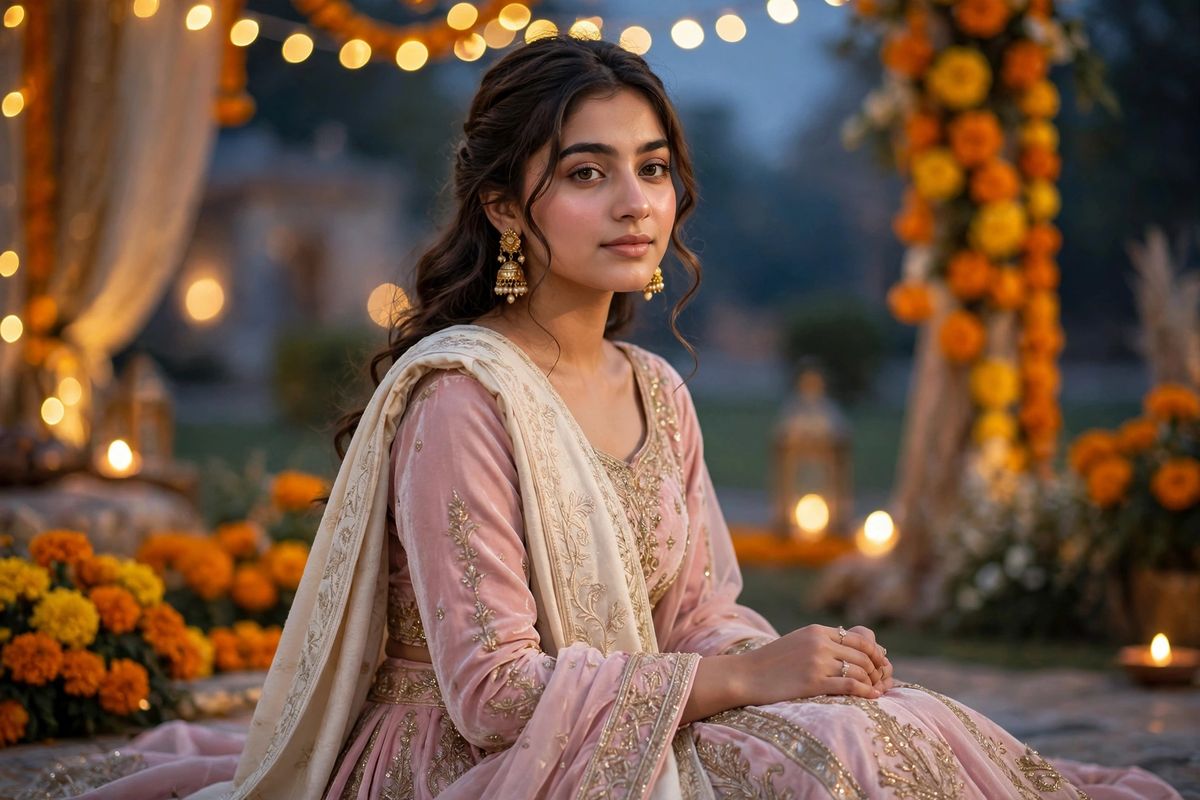
A mangni is the first official celebration of a wedding season, and in winter it deserves an outfit that is just as special as the occasion. The engagement is usually a smaller, more intimate gathering than the barat or valima, so your outfit should feel festive and polished without going full bridal. Add December’s cold evenings and outdoor lawns, and the challenge becomes clear: how do you look radiant and stay warm at the same time?
The good news is that winter is actually the best season for a mangni. Velvet, wool, pashmina and rich jewel tones all shine in cold weather, and a well-chosen shawl becomes part of the look instead of an afterthought. This guide covers the colours, fabrics and styling tricks that make a winter engagement outfit unforgettable.
A summer mangni is all about light chiffon and minimal layers. Winter flips that completely. The ceremony often happens after sunset, when temperatures in Lahore, Islamabad and Karachi drop sharply, and many venues are open lawns or marquees with heaters that never quite reach the corners. An outfit that looks beautiful in the mirror at home can leave you shivering through your own engagement photos.
The trick is to build warmth into the outfit itself. Choose a lined velvet lehenga instead of unlined chiffon, pick a long-sleeved blouse over a sleeveless one, and plan your shawl as part of the design. When the warm pieces are the pretty pieces, you never have to choose between comfort and style. A mangni is less formal than the barat, so soft pastels, playful prints and modern cuts all work here.
Colour sets the mood of a mangni, and winter gives you a palette that summer cannot match. Pastels look dreamy in winter light: blush pink, powder blue, mint green and lavender photograph beautifully against evening lights. If your mangni is a daytime event, pastels are the safest and prettiest choice.
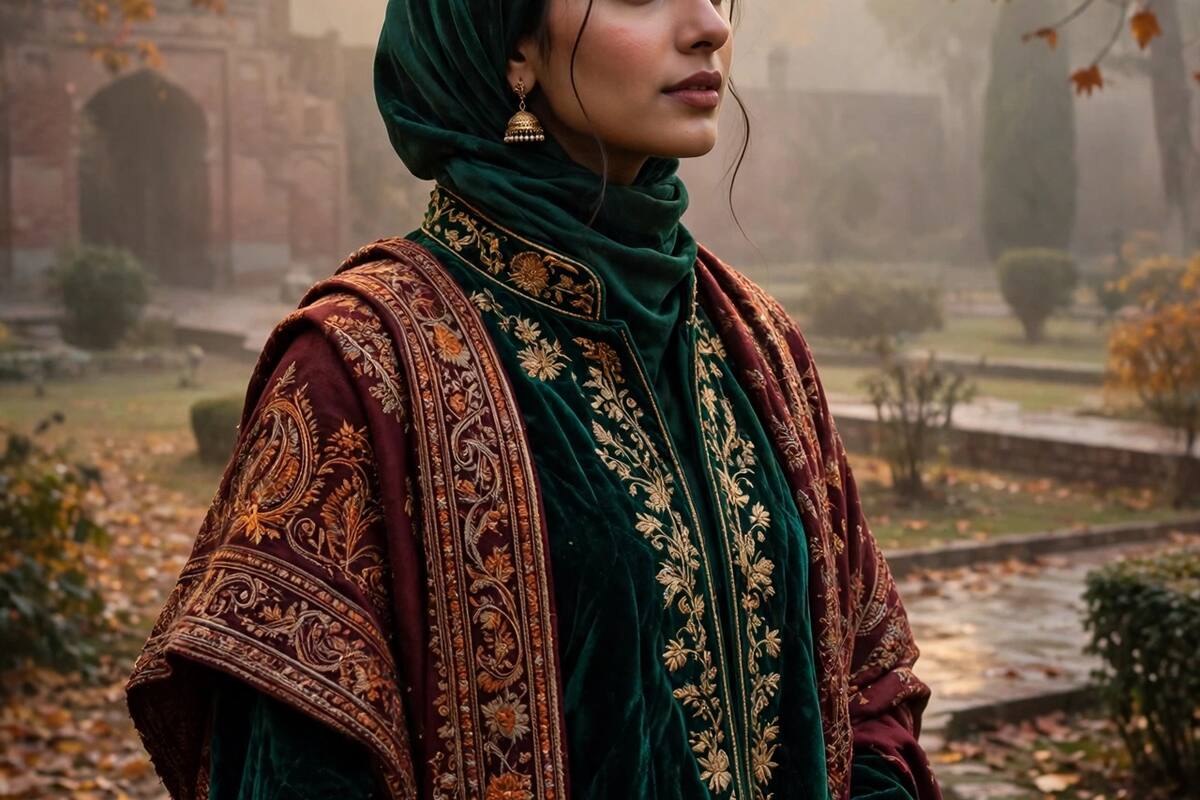
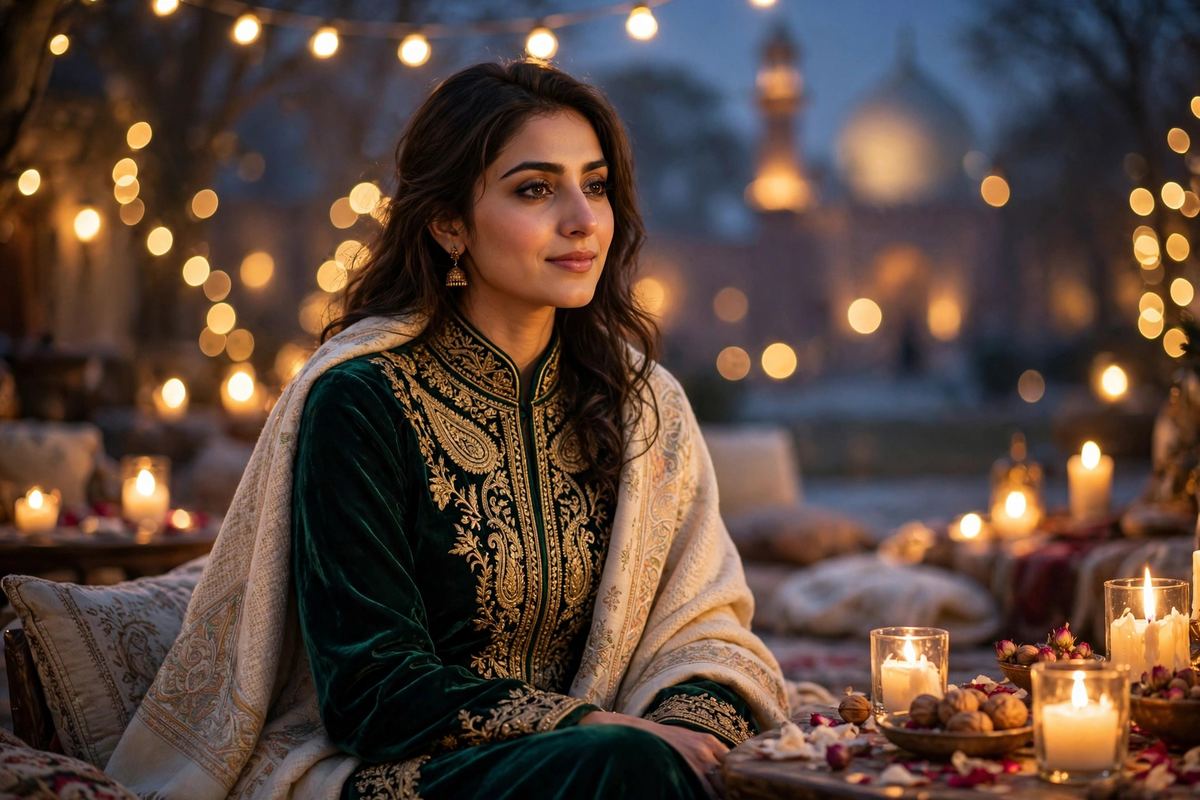
For evening mangnis, jewel tones bring the drama. Deep maroon, emerald green, navy blue and plum look rich under warm lights and pair naturally with gold embroidery. A maroon velvet lehenga with a gold border is a classic, and an emerald gharara stands out in any crowd. Avoid stark white — it can look washed out in evening photos — and save bright neon shades for summer.
These seven looks cover every kind of mangni:
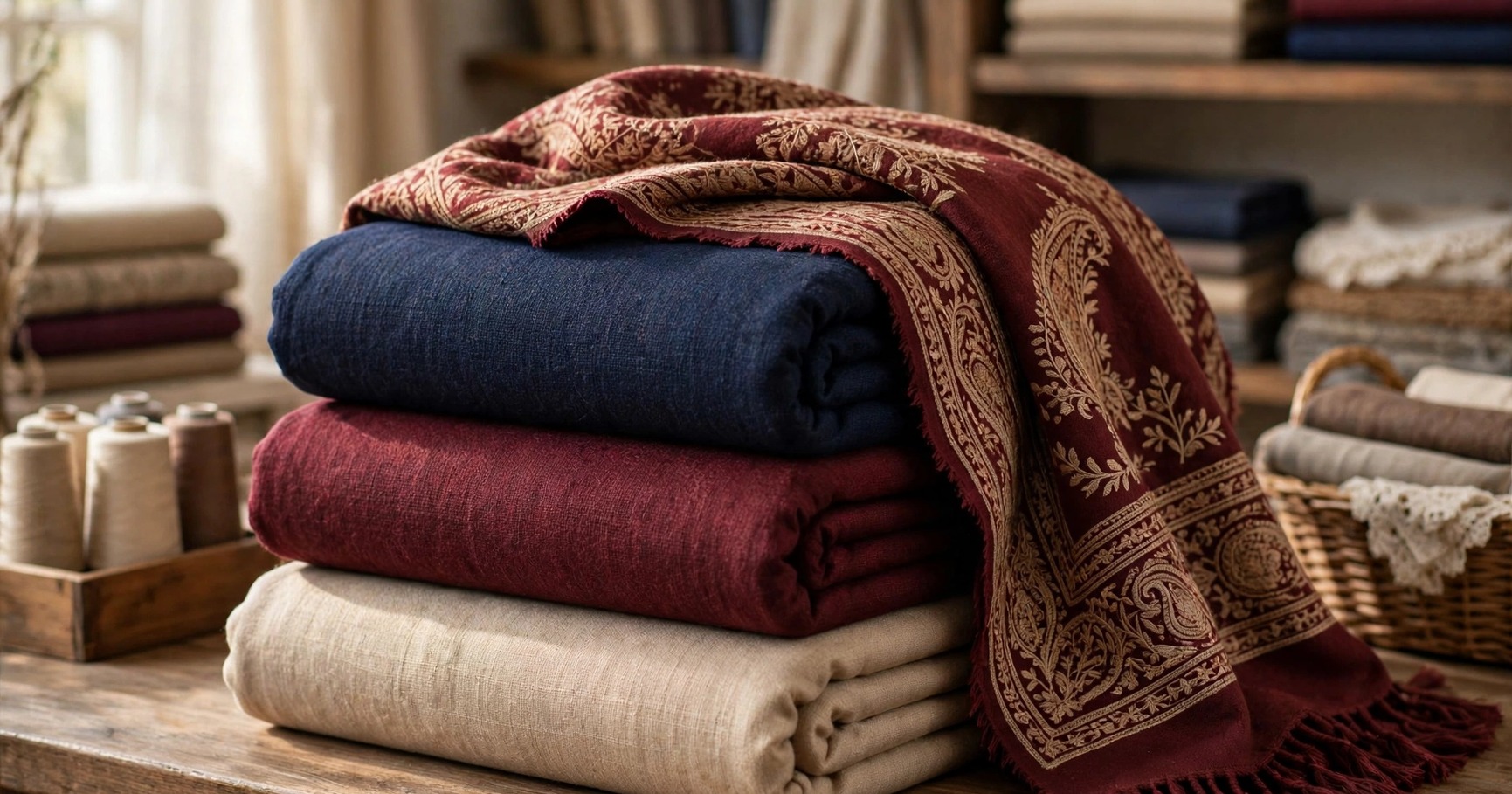
Fabric choice makes or breaks a winter outfit. Velvet is the star of winter mangnis — warm, rich and beautiful in photos — but ask your tailor for lighter threadwork, as dense embroidery can look heavy. Wool-blend and khaddar suits work well for daytime mangnis, while silk and raw silk add shine for evening events without adding weight.
Pashmina is the secret weapon of winter styling: a fine pashmina shawl over a velvet lehenga adds warmth and elegance in one move. Lining matters too — a fully lined lehenga or gharara keeps the cold out and helps the outfit fall properly. Avoid unlined chiffon and net for the main outfit in winter; save those for dupattas and overlays.
The dupatta is where many winter mangni outfits go wrong. A thin chiffon dupatta looks pretty indoors but does nothing against the cold, and a heavy shawl thrown on at the last minute can hide the embroidery you paid for. Plan the dupatta as part of the outfit from the start.
An embroidered pashmina dupatta in a matching or contrasting colour is the easiest choice — warm, elegant and easy to drape. A velvet dupatta with a gold border looks regal with a plain velvet lehenga. For a modern touch, drape a shawl over one shoulder like a cape and pin it so it stays put. If your outfit has a heavily embroidered bodice, choose a plain shawl so the two do not compete. Our winter dupatta styling guide shows ten draping styles that work with shawls and wool dupattas.
A mangni is the perfect occasion for jewellery that is beautiful but not bridal-heavy. Gold jhumkas, a delicate choker or a layered necklace, and a few bangles are enough — save the full bridal set for the barat. Polki and kundan pieces look stunning with velvet, while pearls pair beautifully with pastels. If your outfit is heavily embroidered, keep the jewellery simple; if the outfit is plain, let the jewellery do the talking.
Winter makeup should be soft and dewy: moisturise well, choose a hydrating foundation, and add blush and highlighter to bring warmth back to the face. A classic red or deep berry lip looks gorgeous with jewel tones, while a soft pink lip suits pastels. A low bun shows off your earrings; soft curls frame the face in photos. See our winter wedding makeup and hairstyles guide for looks that last all night in cold weather.
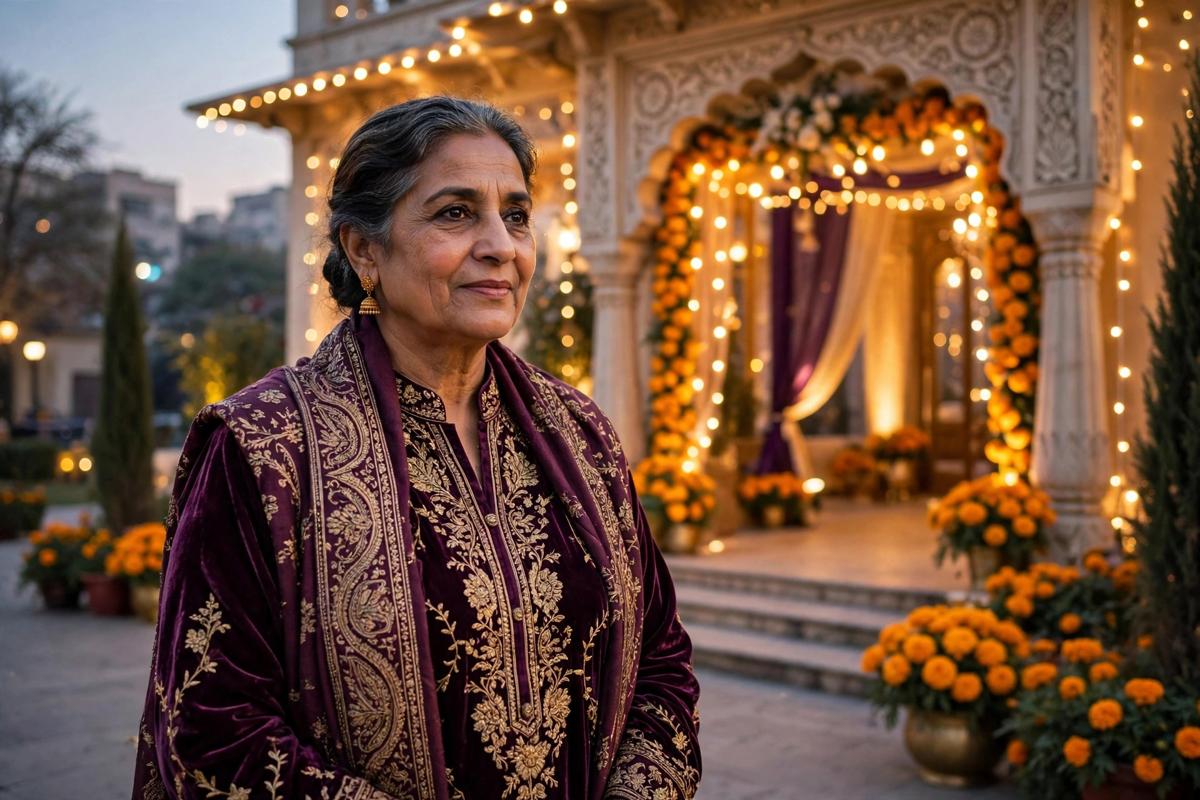
The bride-to-be is not the only one who needs a winter mangni outfit. Mothers look wonderful in a deep-toned velvet or silk suit — maroon, teal or plum — with an embroidered shawl. Sisters can coordinate with the bride in the same colour family but a different shade, which looks lovely in group photos.
For guests, the rule is simple: dress up, but do not outshine the bride-to-be. A velvet kurti with palazzo pants, a khaddar suit with an embroidered shawl, or a formal co-ord set all work well. If you are attending a mangni soon after this one, our winter mehndi outfits guide covers the next function in the wedding season.
A mangni outfit does not need a bridal budget. Ready-made velvet lehengas and ghararas from local markets and mid-range brands typically cost Rs 8,000–25,000, while a stitched three-piece suit in velvet or silk usually falls between Rs 5,000–15,000. Custom-stitched outfits with hand embroidery can go higher, roughly Rs 20,000–50,000 depending on the work.
Save by buying fabric and stitching it with your own tailor, reusing a shawl you own, and borrowing family jewellery. A simple outfit with good styling always beats an expensive outfit worn without thought. Keep Rs 2,000–5,000 aside for last-minute extras like matching bangles, a clutch or a shawl pin.
What should I wear to a winter mangni as the bride-to-be?
A velvet lehenga, gharara or long shirt in a pastel or jewel tone, with an embroidered pashmina dupatta or shawl.
Can I wear a saree to a winter mangni?
Yes. Pair a velvet or silk saree with a full-sleeve blouse and drape a pashmina shawl over one shoulder for warmth and style.
What colours are best for a winter engagement?
Pastels like blush pink and powder blue for daytime, and jewel tones like maroon, emerald and navy for evening events.
How do I stay warm at an outdoor winter mangni?
Choose lined velvet, long sleeves and a pashmina shawl, and keep a warm coat ready for the journey home.
Is a mangni outfit different from a mehndi outfit?
Yes. A mangni is usually more formal and elegant, while a mehndi is brighter and more playful.
A winter mangni is one of the sweetest moments of a wedding season — the first celebration, the first photos, the first time the family gathers for the couple. Your outfit should honour that moment without making you suffer through it. Choose a fabric that warms you, a colour that flatters you and a shawl that completes the look, and you will enjoy your engagement instead of counting the minutes until you can go inside.
Pick one of the seven looks above, plan your dupatta early, and keep the jewellery and makeup soft. Winter gives you the richest fabrics and the warmest colours of the year — use them, and your mangni will look every bit as beautiful as it feels.