Physical Address
304 North Cardinal St.
Dorchester Center, MA 02124
Physical Address
304 North Cardinal St.
Dorchester Center, MA 02124

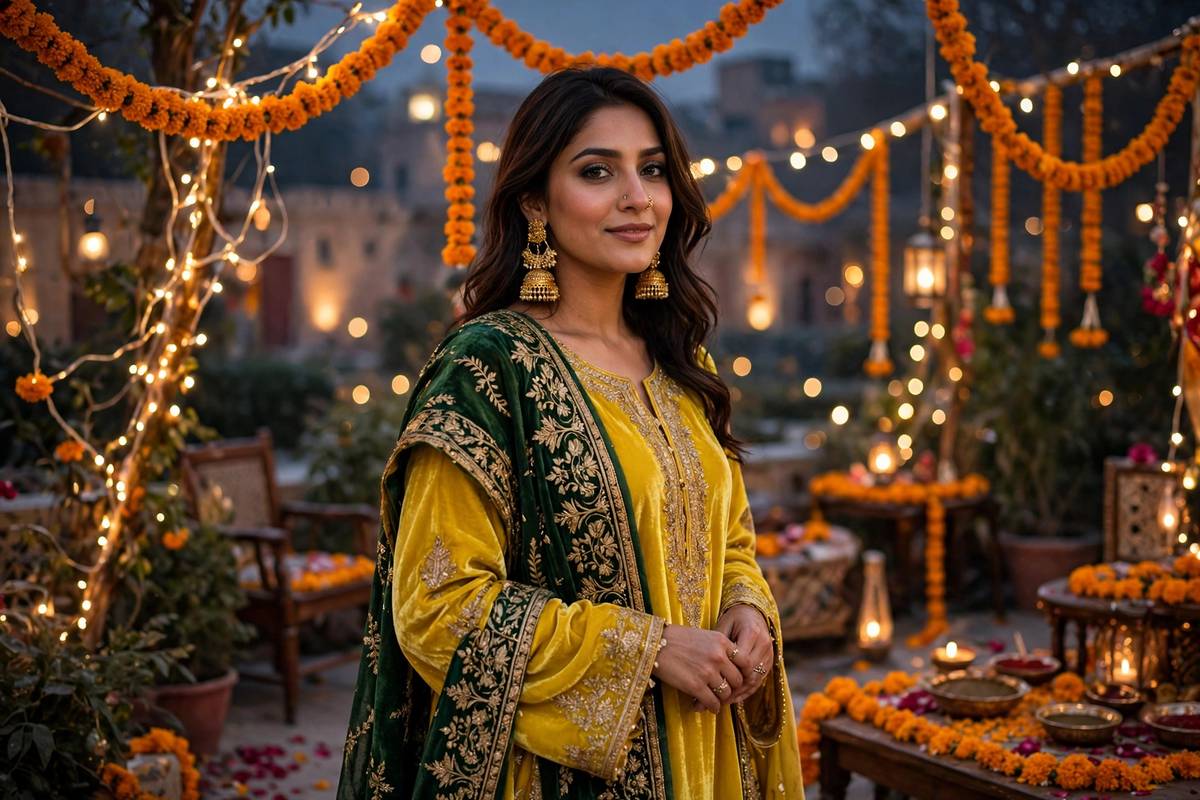
A Pakistani mehndi in winter is the best kind of mehndi — fairy lights, marigold flowers, dholki beats and a cool evening breeze. It is also the trickiest event to dress for. The function usually starts in the late afternoon and runs late into a cold night, much of it outdoors — and the traditional mehndi palette of bright yellows and greens is made of thin fabrics never designed for December fog.
This guide covers winter mehndi outfits for Pakistani women in 2026 — the classic yellow and green looks, how to keep them warm, what to wear as a sister, guest or mother of the bride, and how to do it on a budget. Prices are ranges only, as they vary by city, fabric and tailor.
Summer mehndi dressing is simple: a light chiffon outfit in yellow or green and you are done. Winter changes three things. First, the temperature — evening mehndis in Lahore and Islamabad can drop to single digits, and a sleeveless choli will leave you shivering by the time the dholki starts. Second, the venue — marquees and open lawns with heaters that never quite reach the corners. Third, the photographs — fog, marigold light and evening flash all change how colours look, and deep, warm tones photograph far better than pale pastels after sunset.
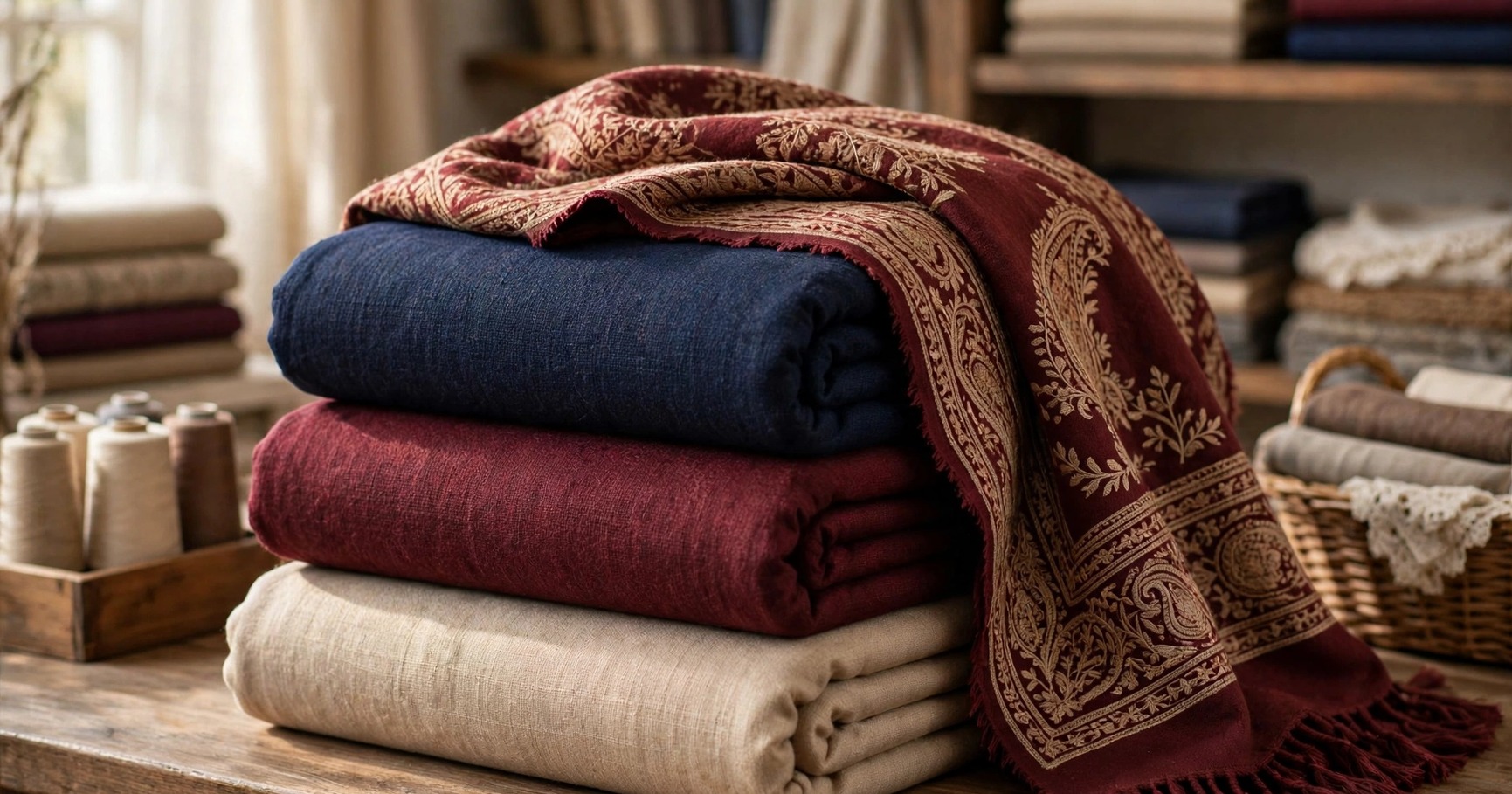
The answer is not to abandon the mehndi palette. It is to build the same bright look on winter fabrics — velvet, jamawar, raw silk and wool-blend — and to plan the warm layer as part of the outfit instead of an afterthought.
Yellow is the colour of the mehndi, and a yellow lehenga choli remains the most-loved choice in 2026. The winter version simply swaps the fabric: a velvet or jamawar choli with a raw-silk or velvet lehenga, instead of chiffon.
A ready-made yellow velvet lehenga choli typically costs Rs 8,000–25,000, while a made-to-order version with hand embroidery can run Rs 20,000–60,000 or more.
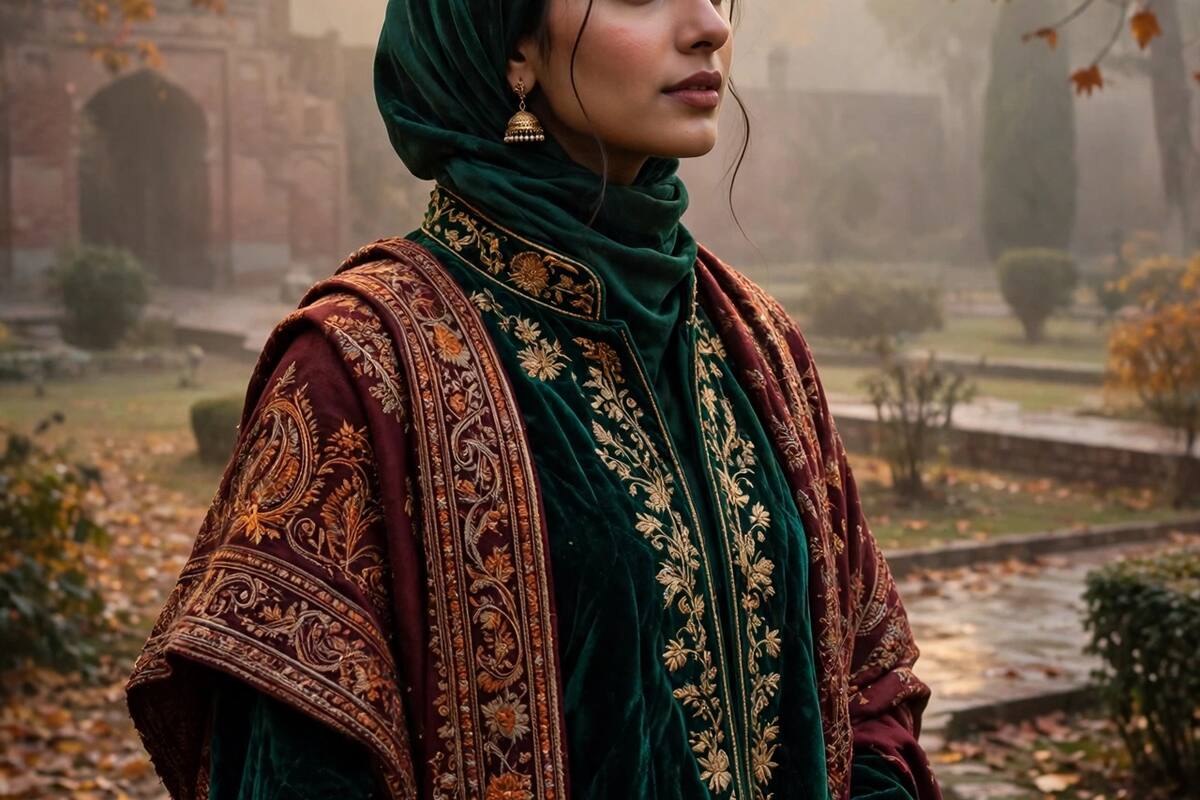
If yellow is not your colour, green is the other classic mehndi choice — and in winter it has an advantage, because deep emerald and bottle green look rich in velvet and jamawar.
A green gharara with a short kurti and a gota-work dupatta is one of the most flattering winter mehndi outfits. The wide gharara legs move beautifully during dance performances, and a velvet kurti keeps you warm. For 2026, the most popular versions have gota or zari borders on the hem and dupatta edges, a contrasting dupatta in yellow, orange or pink, and a short, fitted kurti. Small jhumkas and a maang tikka finish the look.
Not every mehndi has to be yellow or green. Orange, mustard and marigold shades sit in the same warm family, suit most skin tones, and are easier to wear if bright yellow washes you out.
A mustard angrakha with a contrasting green dupatta is a graceful option for older guests, while a bright orange lehenga with pink accents is a fun, modern choice for younger guests. Burnt orange velvet with gold embroidery is one of the standout looks of the 2026 winter wedding season — it glows under fairy lights.
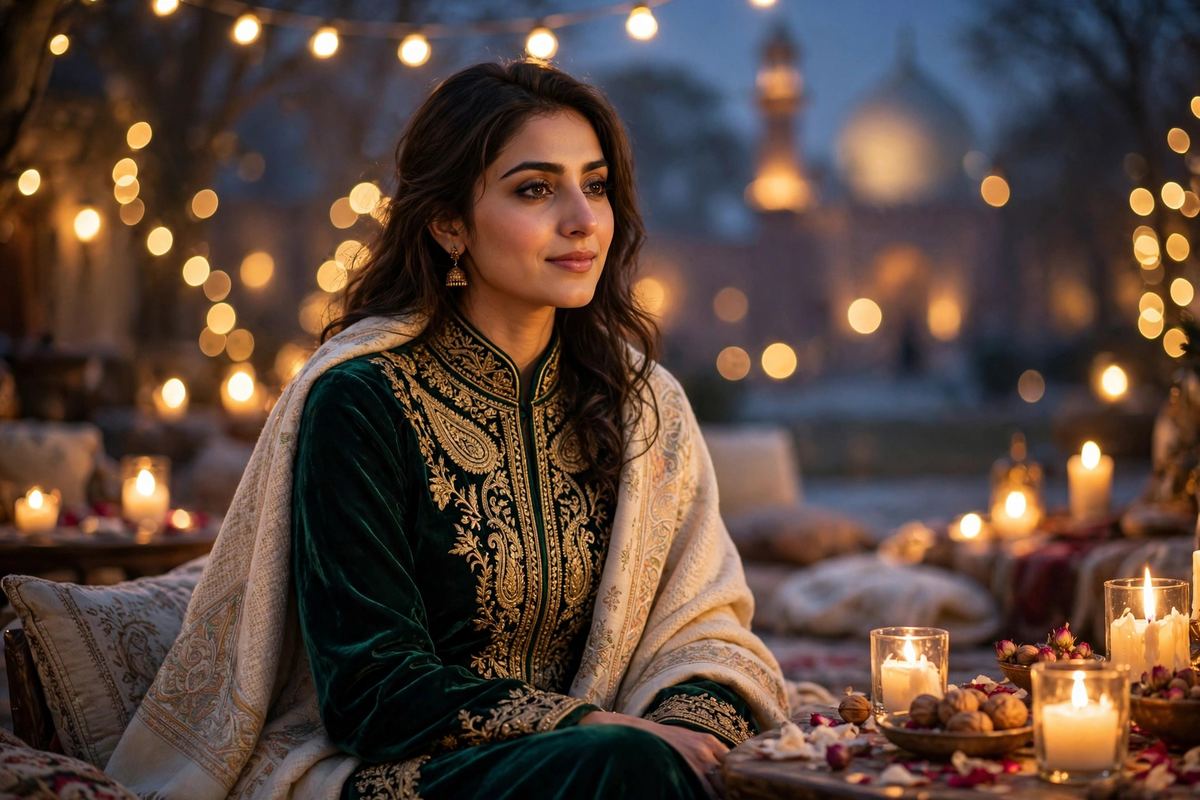
Guests do not need a full bridal-style lehenga — a velvet kurta with a lehenga skirt or wide-leg trousers is comfortable, warm and perfectly dressed-up.
This is also the most budget-friendly route. A plain velvet kurta in maroon, teal or emerald with a heavily embroidered dupatta and simple trousers looks complete without the cost of a full lehenga set. Add gota-trimmed khussay and a small potli bag and the look is done.
For ideas on styling velvet for formal winter occasions, see our guide to velvet dresses for winter weddings — many of the same jewel tones and layering tricks work for mehndi nights too.
The bride’s sisters are the second-most-photographed people at a mehndi, so a little coordination goes a long way. Pick one colour family, not one identical outfit — three sisters in different shades of green look coordinated, not uniformed. Match the dupatta, not the whole outfit: a shared dupatta colour or border ties different outfits together in photographs. Keep one person in yellow — if the bride wears yellow, her sisters in green or orange keep the colour story balanced.
Our winter wedding guest outfits guide covers how to adapt these looks across the baraat and walima too.
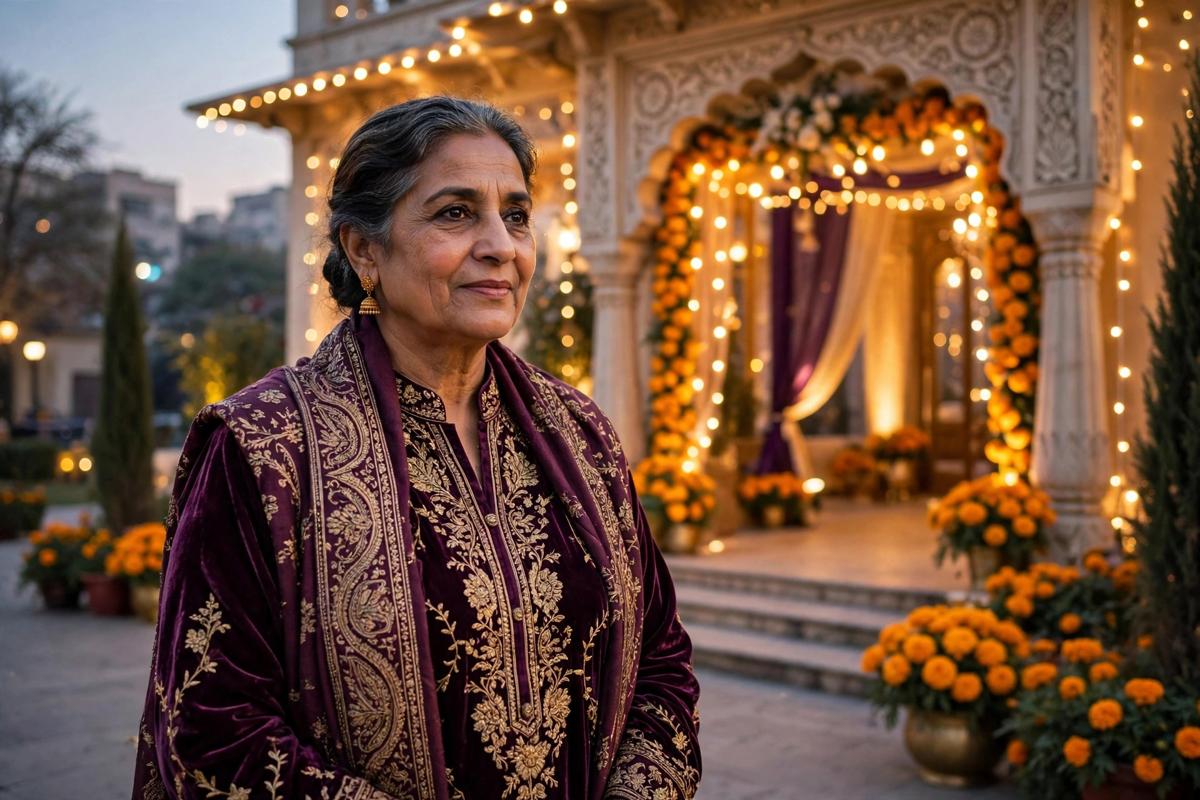
Mothers and elder guests need warmth first and style second — but the two are not in conflict. A jamawar or velvet kameez with a matching shawl is the classic choice, and it is warmer than any lehenga.
Good options include a deep green or maroon velvet kameez with a zari dupatta, a jamawar angrakha with a pashmina shawl, or a formal khaddar-silk suit with an embroidered shawl. The shawl is the key piece — a well-chosen pashmina or embroidered wool shawl looks elegant and keeps you comfortable all evening. Our guide to styling a pashmina shawl shows ten ways to drape one so it looks like part of the outfit.
This is where most winter mehndi outfits fail. A beautiful lehenga hidden under a random coat is a wasted outfit. Plan the warm layer as part of the look:
Evening winter light is warm and yellow, and fog softens everything. The colours that hold up best are deep yellow and mustard, emerald and bottle green, maroon, burnt orange and teal with gold embroidery. Burnt orange is especially popular in 2026 — it glows under fairy lights.
Pale lemon, light mint and baby pink tend to wash out after sunset. If you love pastels, choose a deeper version of the same colour, or add a darker dupatta to anchor the look.
A beautiful mehndi outfit does not need a designer budget. Reuse and restyle — last year’s lehenga with a new dupatta and different jewellery looks like a new outfit, and a new gota border on an old dupatta costs very little at a local tailor. Buy the fabric and stitch locally — unstitched velvet and jamawar from local markets usually costs far less than a ready-made designer piece.
Renting is another smart option — lehenga and gharara rentals in Lahore, Karachi and Islamabad run Rs 5,000–15,000 for one night. Or spend on the dupatta and save on the base: a heavily embroidered dupatta over a plain velvet kurta gives you the festive look for a fraction of a fully embroidered outfit.
A complete budget mehndi look — stitched kurta and lehenga or gharara, dupatta, khussay and basic jewellery — can be put together for roughly Rs 5,000–15,000.
Run through this list the day before the mehndi so nothing is left to the last minute:
What should I wear to a winter mehndi as a guest?
A velvet kurta with a lehenga or trousers, or a simple lehenga choli in yellow, green or maroon, with a warm shawl.
Is yellow still the best colour for a winter mehndi?
Yes — yellow is the traditional mehndi colour and it photographs beautifully in winter evening light. Choose a deeper mustard or marigold rather than pale lemon, and build the outfit on velvet or jamawar.
How do I stay warm at an outdoor winter mehndi without hiding my outfit?
Use a velvet or pashmina shawl in a matching colour, choose full sleeves and a lined choli, and drape your dupatta double over your shoulders.
Can I wear a lehenga to a winter mehndi if I am not family?
Yes. A simple lehenga choli or a velvet kurta with a lehenga skirt is perfectly appropriate. Keep the embroidery lighter than the bride’s and avoid her exact colour.
A winter mehndi outfit is a balancing act: bright traditional colours on warm winter fabrics, with a layer you actually want to be seen in. Start with a colour that suits you, build it on velvet, jamawar or raw silk, and plan the shawl or sleeves as part of the look from the beginning. Do that, and you will be comfortable all evening and ready for every photograph — which, at a Pakistani mehndi, is really the whole point.