Physical Address
304 North Cardinal St.
Dorchester Center, MA 02124
Physical Address
304 North Cardinal St.
Dorchester Center, MA 02124

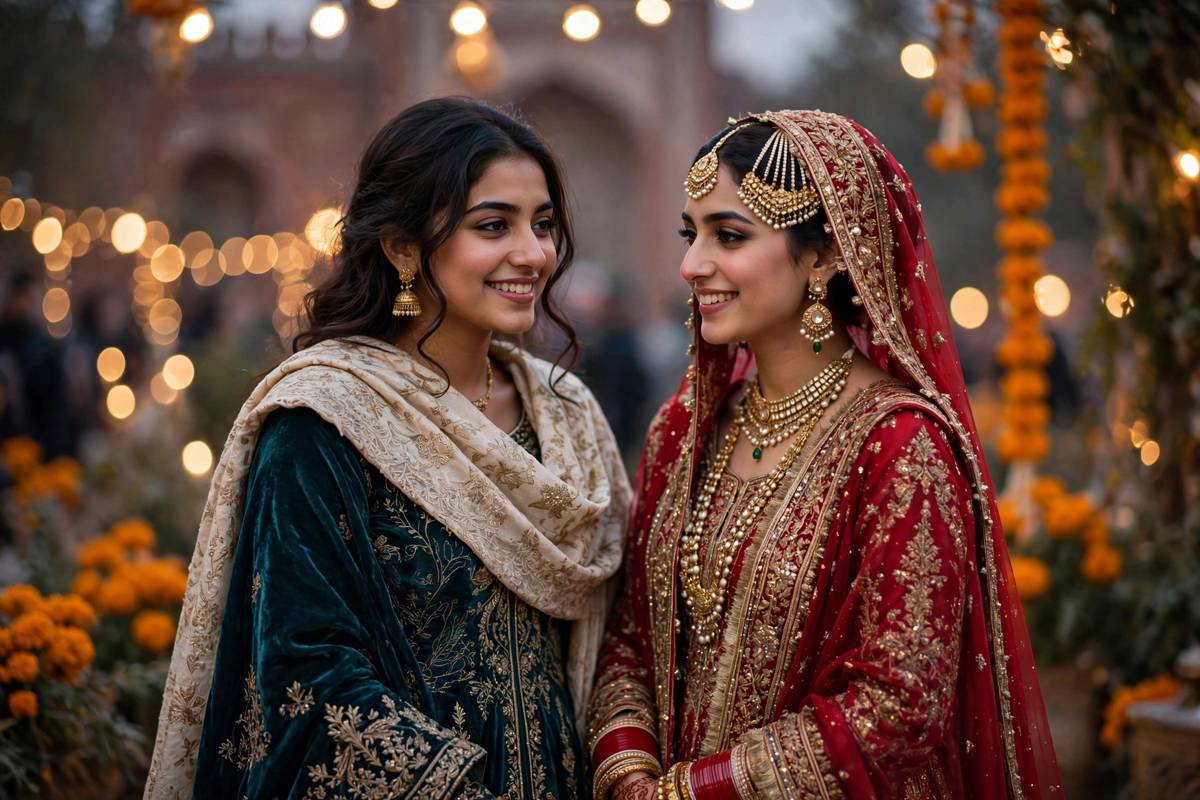
A sister of the bride is the hardest-working person at a Pakistani wedding after the bride herself. She helps choose the dress, holds the dupatta, dances at the mehndi, manages the guests, and appears in almost every family photograph — often standing right beside the bride. Her outfit therefore has to do three jobs at once: look beautiful in photographs, keep her warm through cold winter evenings, and let her move and dance freely.
The 2026 winter wedding season in Pakistan is full of options for sisters: velvet lehengas, embroidered ghararas, silk sarees and long shirts with shararas. This guide covers colours, outfit ideas, fabrics, shawls, jewellery and budget ranges — so the sister of the bride can look picture-perfect at every function without stealing the bride’s spotlight.
A guest can choose one outfit and relax. A sister cannot. She is part of the wedding party, which means she is visible in every ceremony, every dance and every group photograph. She also works hard: helping the bride get ready, greeting relatives, and dancing at the mehndi and dholki. In a Pakistani winter, evening functions in open marquees get genuinely cold, and a sleeveless chiffon outfit that looked lovely in the shop becomes uncomfortable by midnight.
Comfort is therefore the first rule: choose silhouettes you can sit, dance and walk in easily — a flared lehenga, a gharara with a long shirt, or a saree with a securely pinned pallu. The second rule is balance: glamorous enough to stand beside the bride, but never competing with her. The third is warmth built into the outfit, not added as an afterthought. Our winter wedding guest outfits guide covers the same balance of elegance and comfort for every guest at the wedding.
Colour choice for a sister is a style decision and a matter of etiquette. The bride traditionally wears red or deep maroon on the barat, so sisters usually avoid exact bridal red on that day — pick a colour that photographs beautifully beside the bride without matching her.
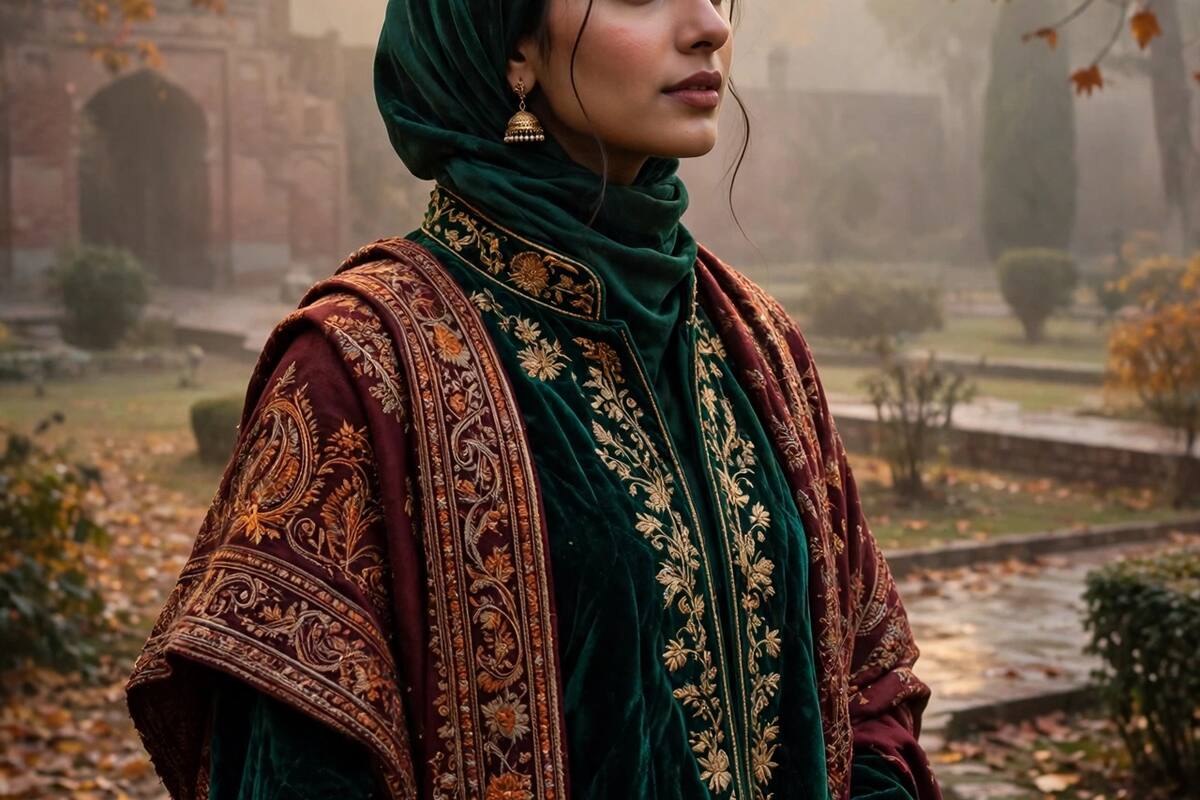
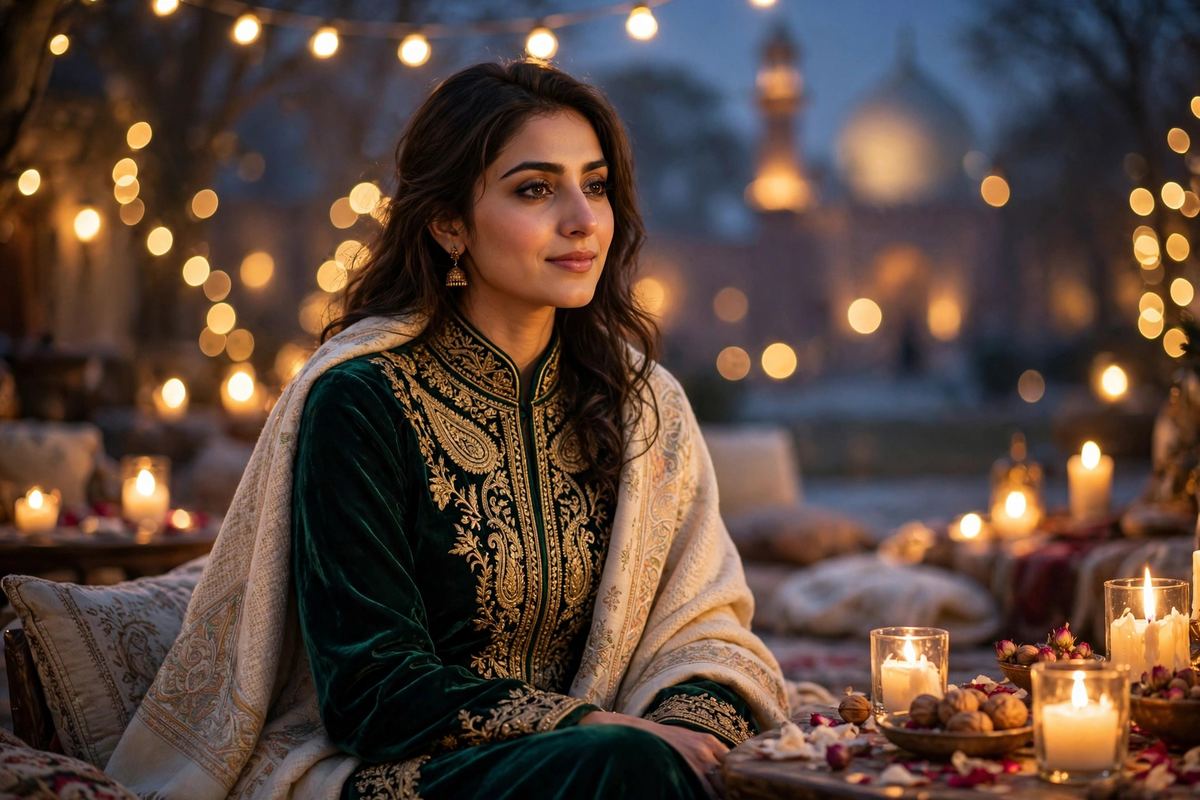
Deep jewel tones are the safest and most flattering choice for winter evenings. Teal, emerald, deep plum, navy and burnt copper all look rich under wedding lights. A teal velvet lehenga is a classic sister-of-the-bride look, while emerald suits the barat and plum suits the valima.
Bright colours work wonderfully for daytime functions: mustard yellow, hot pink, coral and mint green suit the mehndi and dholki. For the valima, soft pastels — powder blue, blush pink, sage green or lavender — with silver or gold embroidery look fresh and elegant. Avoid stark white, and avoid black, which many families still consider inauspicious for weddings.
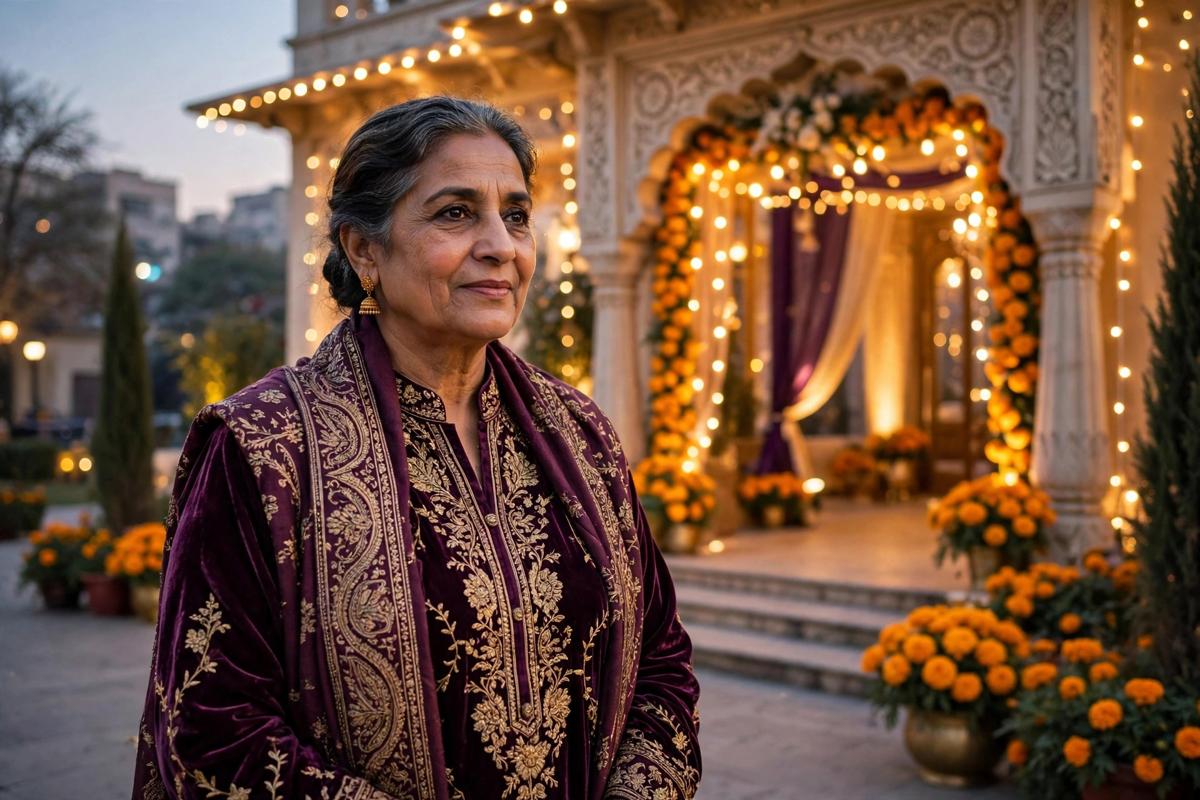
Velvet is the season’s best friend for sisters: warm, rich and beautiful under wedding lights. A velvet lehenga or long shirt with light to medium embroidery is ideal; ask your tailor to keep the threadwork fine, because very dense embroidery can make velvet stiff and heavy to dance in. Our velvet dresses for winter weddings guide explains which velvet weights work best for formal evenings.
Raw silk and jamawar add structure and shine without the weight of velvet, and jamawar’s woven patterns look expensive even with minimal embroidery. Silk is a beautiful choice for sarees and anarkalis, but it needs a warm lining in winter. Avoid unlined chiffon and net for the main outfit — they offer no warmth.
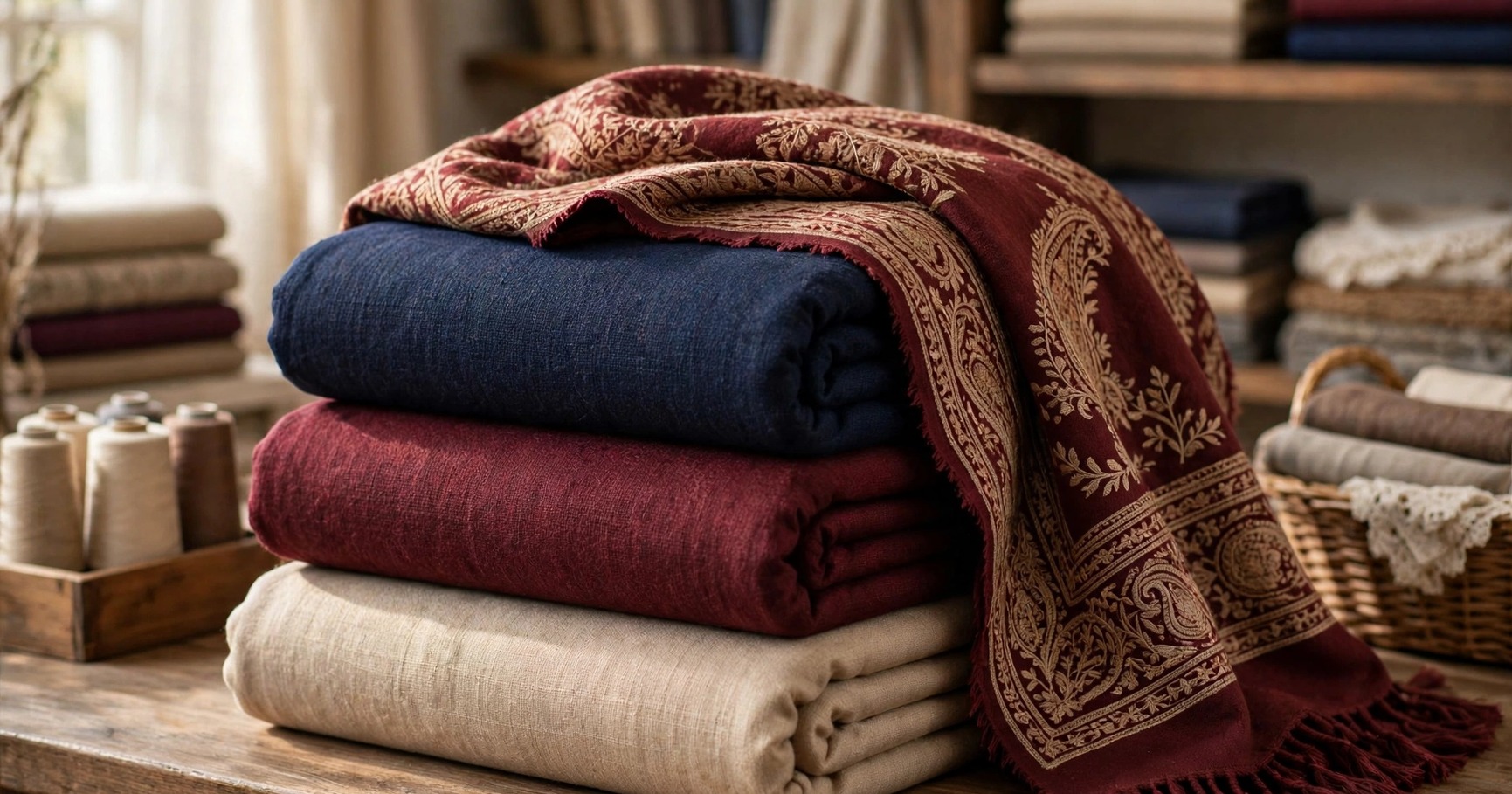
For a sister, the shawl is not an accessory — it is part of the outfit. The right shawl adds warmth, completes the look, and can be slipped off for dancing and draped back on for photographs. An embroidered pashmina shawl in a matching or softly contrasting colour is the easiest choice: warm, elegant and easy to pin in place.
Pin the dupatta securely at both shoulders for the barat and valima, and keep one end free to drape over the head for the nikkah or dua. Our pashmina shawl styling guide shows draping styles that work beautifully with lehengas, ghararas and sarees.
A sister’s jewellery should be festive and fun, but not bridal-heavy. Gold jhumkas, a delicate choker and a stack of bangles are enough. Polki and kundan look stunning with velvet in evening light, while pearls pair beautifully with pastels. Flower jewellery — gajras and fresh flower bracelets — is perfect for the mehndi and dholki. One statement piece is better than five competing ones.
Winter makeup for sisters should be fresh and long-lasting: moisturise well, choose a hydrating base, and add blush to bring warmth back to the face in cold weather. A deep berry lip looks gorgeous with jewel tones, while a soft rose lip suits pastels. Hair should be neat and secure: soft curls, a low bun, or a braid with fresh flowers all photograph beautifully. Our winter wedding makeup and hairstyles guide has looks that last all night in cold weather.
A sister does not need a new outfit for every function — three well-chosen looks cover the whole wedding. For the mehndi, choose colour and comfort: a mustard yellow anarkali or a bright gharara, with flower jewellery and a shawl you can slip off while dancing. Our winter mehndi outfits guide has more ideas for bright, warm mehndi looks. For the dholki, choose a sharara with a short shirt, or a co-ord set in a festive colour.
For the nikkah, choose grace and modesty: a dusty rose or teal lined suit with a neatly pinned dupatta and pearl or gold jewellery. For the barat, go grand: a teal or emerald velvet lehenga with gold embroidery and a pashmina shawl. For the valima, go soft and elegant: a blush pink or powder blue lehenga or saree with silver embroidery.
A beautiful sister-of-the-bride outfit does not need a designer price tag. A ready-made velvet lehenga from a high-street brand typically costs in the range of Rs 8,000–20,000, while a stitched-to-order lehenga with custom embroidery usually falls in the range of Rs 15,000–40,000 depending on fabric and work. A good gharara or sharara set can be found in the range of Rs 6,000–18,000, and a silk saree with a velvet blouse in the range of Rs 7,000–25,000.
Smart ways to save: reuse a plain velvet lehenga from a previous wedding with a new blouse and dupatta; buy the shawl separately; choose simpler embroidery and let the colour and fabric do the talking; and shop early — tailors charge more in the last two weeks before a wedding. A budget of Rs 10,000–25,000 per function is realistic for a beautiful, warm and well-fitted look.
The most common mistake is copying the bride’s colour on the barat — check the bride’s outfit first and choose a colour that complements it. The second is choosing an outfit you cannot move in: a lehenga with a very stiff cancan or a saree with a loose pallu will slow you down all evening. The third is skipping the shawl: even if the hall feels warm at 7 pm, it will be cold by midnight.
Other mistakes to avoid: wearing brand-new heels for a six-hour function; choosing very heavy jewellery; and leaving the outfit to the last minute — finalise your looks at least two weeks before the wedding. Finally, do not forget a small clutch: phone, lipstick, safety pins and a few tissues are essentials for the sister on duty.
What colour should the sister of the bride wear at a winter wedding?
Jewel tones like teal, emerald, plum and navy are the most flattering for winter evenings. Bright colours like mustard and hot pink suit the mehndi and dholki, while pastels like blush pink and powder blue suit the valima.
How can a sister stay warm at a winter wedding?
Choose velvet, raw silk or jamawar fabrics, wear a fully lined outfit, and carry an embroidered pashmina or velvet shawl.
How many outfits does the sister of the bride need?
Three well-chosen outfits cover a full wedding: one bright look for the mehndi and dholki, one grand look for the barat, and one soft pastel look for the valima.
What jewellery suits the sister of the bride?
Gold jhumkas, a delicate choker or necklace, and bangles are the classic choice. Polki and kundan suit evening functions, pearls suit pastels, and flower jewellery is perfect for the mehndi and dholki.
The sister of the bride is the bride’s best friend, helper and dance partner — and her outfit should let her enjoy every moment of that role. Choose colours that complement the bride, fabrics that keep you warm, and silhouettes you can dance in. Plan early, pin your dupatta securely, and carry a shawl. With three well-chosen looks, you will be picture-perfect at every function.