Physical Address
304 North Cardinal St.
Dorchester Center, MA 02124
Physical Address
304 North Cardinal St.
Dorchester Center, MA 02124

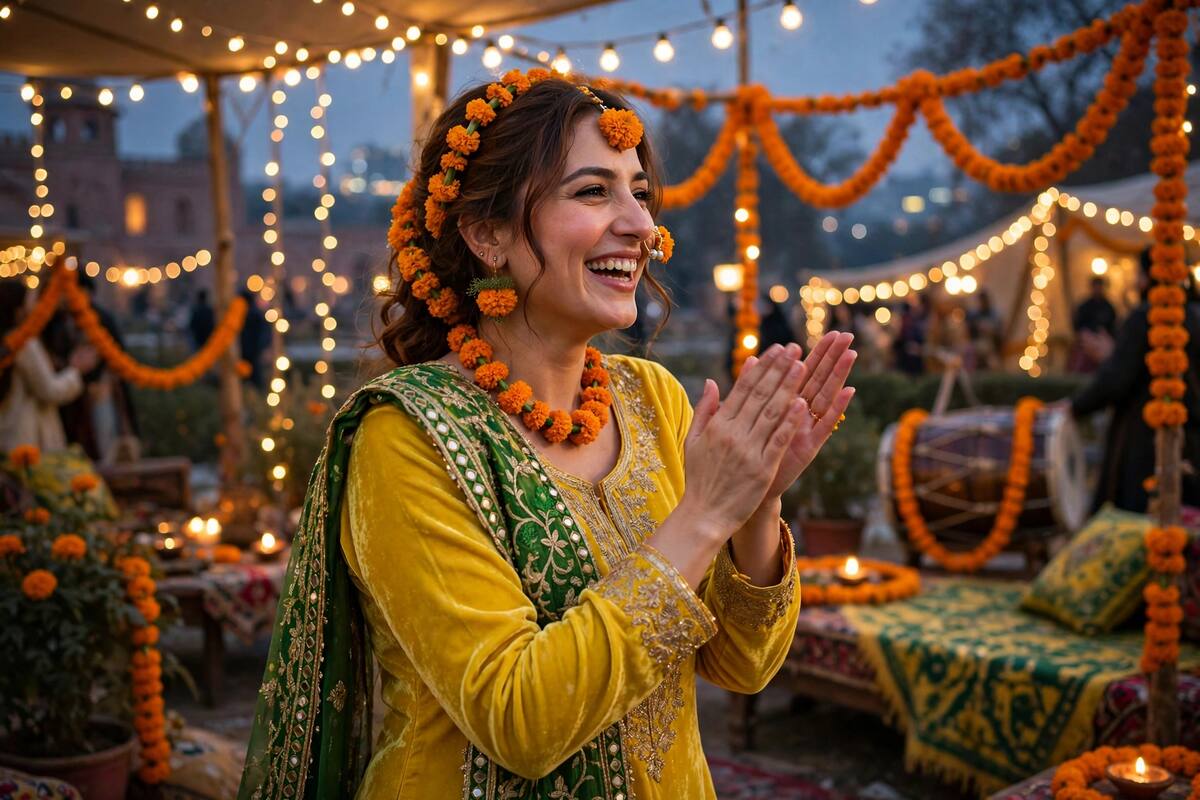
The dholki is where every Pakistani wedding truly begins. Before the mehndi, before the barat, there is that first evening of dholak beats, marigold garlands, yellow outfits and aunties singing folk songs in a living room or on a lawn. It is the most joyful and the most relaxed of all the wedding functions — and in winter, it is also the coldest. A December dholki in Lahore or Islamabad can be genuinely chilly once the sun goes down, and the last thing you want is to spend the evening shivering in a thin chiffon dress.
This guide covers the best winter dholki outfits for Pakistani women in 2026 — lehengas, ghararas, colours, fabrics and budget ideas.
A dholki is not a formal dinner and it is not a bridal event either. It sits in between: cheerful, colourful and full of movement. You will be sitting on the floor or on low seating, clapping, dancing and helping with the decorations. So the best winter dholki outfit is bright, warm, easy to move in, and comfortable for hours.
Yellow is the traditional dholki colour — it photographs beautifully against marigold flowers and fairy lights, and suits almost every skin tone. Orange, green and hot pink are equally festive. For warmth, choose a fabric with some weight, like velvet, khaddar or raw silk, and a shawl or dupatta that actually covers you. Flowy lehengas, A-line kurtas and ghararas all move well when you dance; very tight fits and heavy trains do not. Since dholkis run long, soft linings and flat or block-heel shoes will keep you happy from the first song to the last.
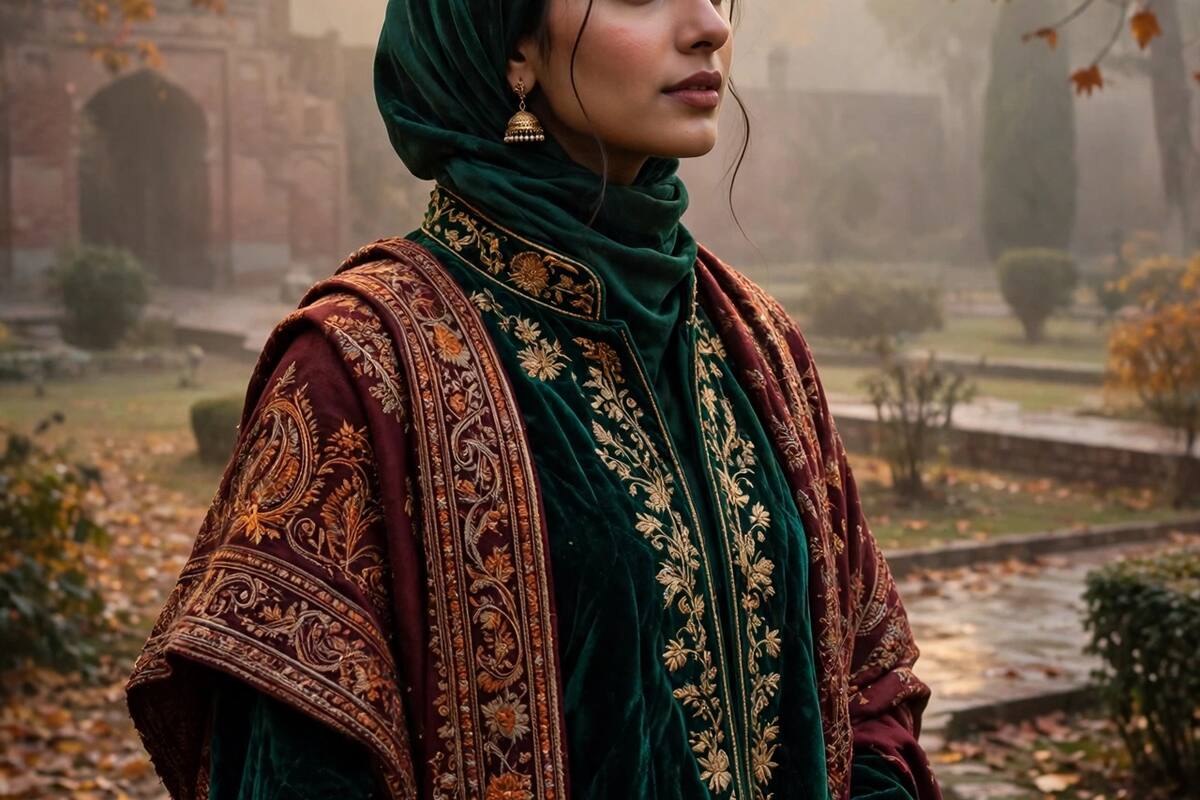
Nothing says dholki like yellow, and nothing says winter like velvet. A yellow velvet lehenga with gold gota or zari embroidery is the most popular winter dholki look of 2026.
Keep the embroidery light so the outfit stays comfortable — a heavy border and a scattered motif are enough. Pair it with a contrasting green or orange dupatta, and finish with gold or marigold flower jewellery. A full-sleeve blouse keeps your arms warm, and a velvet lehenga needs no extra layer in most Pakistani winters. Ready-made yellow velvet lehengas generally cost between Rs 8,000 and Rs 25,000, while a stitched-to-order piece from a local tailor can cost less if you supply your own fabric.
If lehengas feel too heavy, a gharara is the perfect dholki alternative. The wide, flared legs move beautifully when you dance, and the short kurta on top keeps the silhouette playful rather than formal.
For winter, pick a gharara in mustard, burnt orange or rust velvet or raw silk, with a short kurta in gold gota patti work and a net dupatta in contrasting green or pink. Ghararas are especially flattering for shorter women, because the flare adds drama without bulk. Add embroidered khussay and a small potli bag, and the outfit is complete. A mid-range gharara set generally costs between Rs 6,000 and Rs 20,000 ready-made.
Not every dholki needs velvet. A printed or embroidered khaddar kurta set in green, pink or teal is warm, breathable and far easier to sit and dance in than a formal lehenga — and much kinder to the budget.
Look for khaddar with block prints, mirror work or light thread embroidery, paired with straight trousers or a churidar. A contrasting dupatta in a bright colour lifts the whole outfit. This is the best option for a daytime dholki, for a dholki at home, or for anyone busy helping with the arrangements. Festive khaddar three-piece suits generally range from Rs 3,000 to Rs 8,000, making them one of the most affordable winter dholki options.
Co-ord sets are the newest dholki trend, and they suit winter perfectly. A matching velvet or wool-blend kurta and trouser in hot pink, teal or maroon, worn with a contrasting dupatta and a shawl, looks polished without feeling overdone.
Both pieces can be worn separately later — the kurta with jeans, the trousers with another top — so you get more value from one purchase. Choose a set with embroidered cuffs or an embellished neckline so it reads as festive rather than everyday. For more ideas on matching two-piece winter looks, read our guide to winter co-ord sets for Pakistani women.
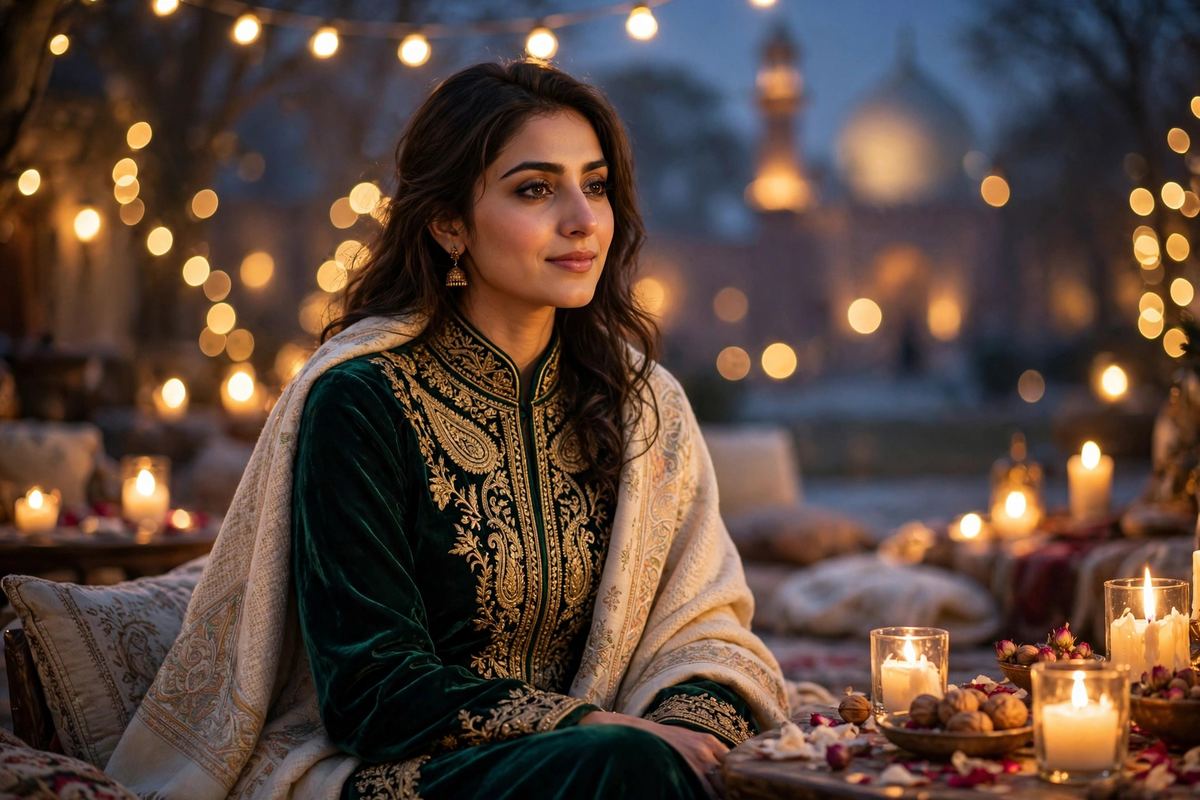
Whatever you wear underneath, a shawl is the single most useful winter dholki accessory. A pashmina or embroidered wool shawl in a contrasting colour — cream over maroon, green over yellow, pink over teal — adds warmth, colour and a finished look in one step.
Drape it over one shoulder for dancing, or wrap it around both shoulders when you sit and sing. A shawl also solves the most common winter dholki problem: a beautiful sleeveless outfit that is simply too cold for a December evening. Our guide to styling a pashmina shawl has ten draping ideas that work just as well at a dholki as at a dinner.
Colour is half the fun of a dholki, and winter light makes rich, saturated shades look even better. Yellow is the classic. Orange and rust are warm and festive. Hot pink and magenta are bold and joyful, and emerald and parrot green both pair beautifully with yellow and orange. Maroon velvet with gold embroidery is elegant without being bridal. Avoid very dark colours like black or navy — they look too formal for this cheerful function, so save them for the valima.
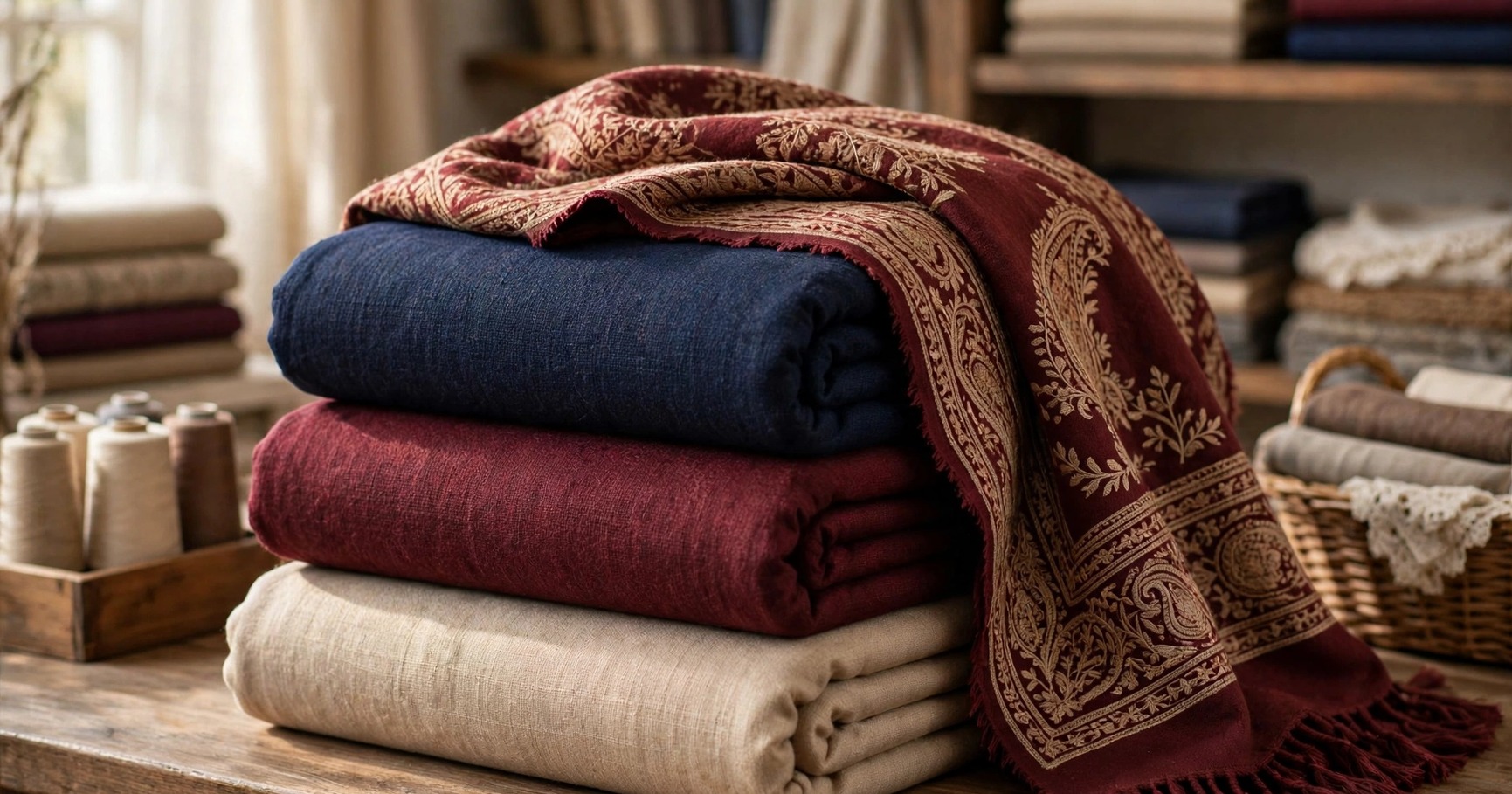
The right fabric turns a pretty dholki outfit into a comfortable one. Velvet is the winter favourite: warm, beautifully draped, and it takes embroidery well. Khaddar is the practical choice — warm, affordable and easy to wash. Raw silk adds a festive sheen for evening dholkis, while wool blends and marina suit daytime functions.
Avoid unlined chiffon and lawn for winter dholkis. Both are lovely fabrics, but on a cold evening they offer no warmth at all. If you love a chiffon outfit, get it fully lined and wear a shawl with it. For a deeper comparison of winter fabrics, see our winter fabrics guide for Pakistani women.
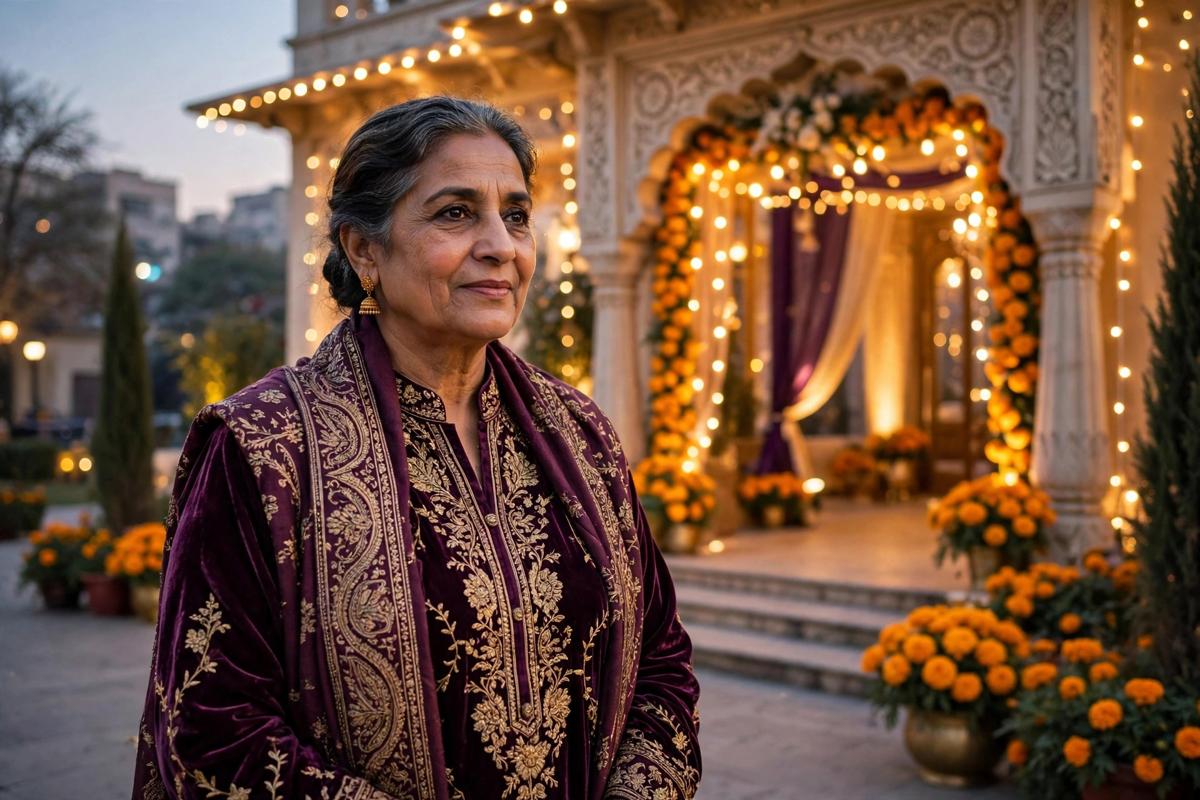
Mothers, aunts and grandmothers deserve outfits that are festive, comfortable and dignified. A long velvet kurta in maroon, teal or plum, worn with straight trousers and an embroidered shawl, is the most flattering option — warm, elegant and easy to sit in for hours. A light-work silk saree with a warm blouse and a shawl is another graceful choice. Avoid very bright neons and very heavy embroidery; a single statement piece, like a beautiful shawl or a kundan set, is enough. Comfortable footwear matters most — embroidered khussay with a low heel keep feet happy through a long evening.
Dholki styling is supposed to be fun, not formal. Fresh flower jewellery — gajray, a maang tikka and flower bracelets in marigold and jasmine — is the most traditional and most photographed dholki accessory, and it suits every outfit. If you prefer metal jewellery, light gold or kundan pieces work well; save the heavy bridal sets for the barat.
For makeup, a dewy base, a bright lip in pink or coral, and a touch of highlighter suit the warm evening light — keep the base light and set it well, because dancing and a warm room will test it. For hair, a loose braid with flowers, a low bun with a gajra, or soft curls all work. Avoid very elaborate updos: a dholki is a dancing function, and your hairstyle should survive it.
A beautiful dholki outfit does not need a big budget. Reuse and restyle: a plain velvet kurta from last winter becomes a dholki outfit with a new bright dupatta and flower jewellery. Mix ready-made and stitched: buy a ready-made embroidered dupatta and pair it with a simply stitched kurta and trousers. Rent the heavy piece: a heavily embroidered lehenga you will wear once costs a fraction to rent than to buy. Shop the sales, where winter khaddar often includes festive prints at half price. And borrow the shawl — a good pashmina is the most reusable item in a winter wardrobe.
A complete budget dholki look — khaddar kurta set, dupatta, khussay and flower jewellery — can generally be put together for Rs 5,000 to Rs 10,000.
What should I wear to a winter dholki in Pakistan?
A bright velvet lehenga, a gharara, or an embroidered khaddar kurta set in yellow, orange, green or pink, with a warm shawl, flower jewellery and comfortable shoes.
Is yellow compulsory for a dholki?
No, but it is traditional. Yellow photographs beautifully and suits the marigold theme, but orange, green, hot pink and maroon all look festive. Avoid very dark or very pale colours.
How can I stay warm at an outdoor winter dholki?
Choose a warm fabric like velvet or khaddar, wear full or three-quarter sleeves, and carry a pashmina or embroidered wool shawl — the easiest way to add warmth to any outfit.
What is the difference between dholki and mehndi outfits?
A dholki is the first, most casual function — bright colours, lighter embroidery and comfortable outfits. Mehndi outfits are usually more formal, with heavier work and more elaborate styling. Keep the dholki look lighter and save the heavier outfit for the mehndi. Our winter mehndi outfits guide covers that function in detail.
The dholki is the happiest night of the wedding — the one function where the dress code is joy itself. In winter, let the season work for you: velvet instead of chiffon, jewel tones instead of pastels, a warm shawl instead of a bare shoulder. Pick a bright colour, a fabric with weight, and shoes you can dance in, and the rest takes care of itself.
Whether you are the sister of the bride, a cousin, a friend or a guest, a well-chosen winter dholki outfit lets you enjoy every song, every dance and every photograph without once thinking about the cold.