Physical Address
304 North Cardinal St.
Dorchester Center, MA 02124
Physical Address
304 North Cardinal St.
Dorchester Center, MA 02124

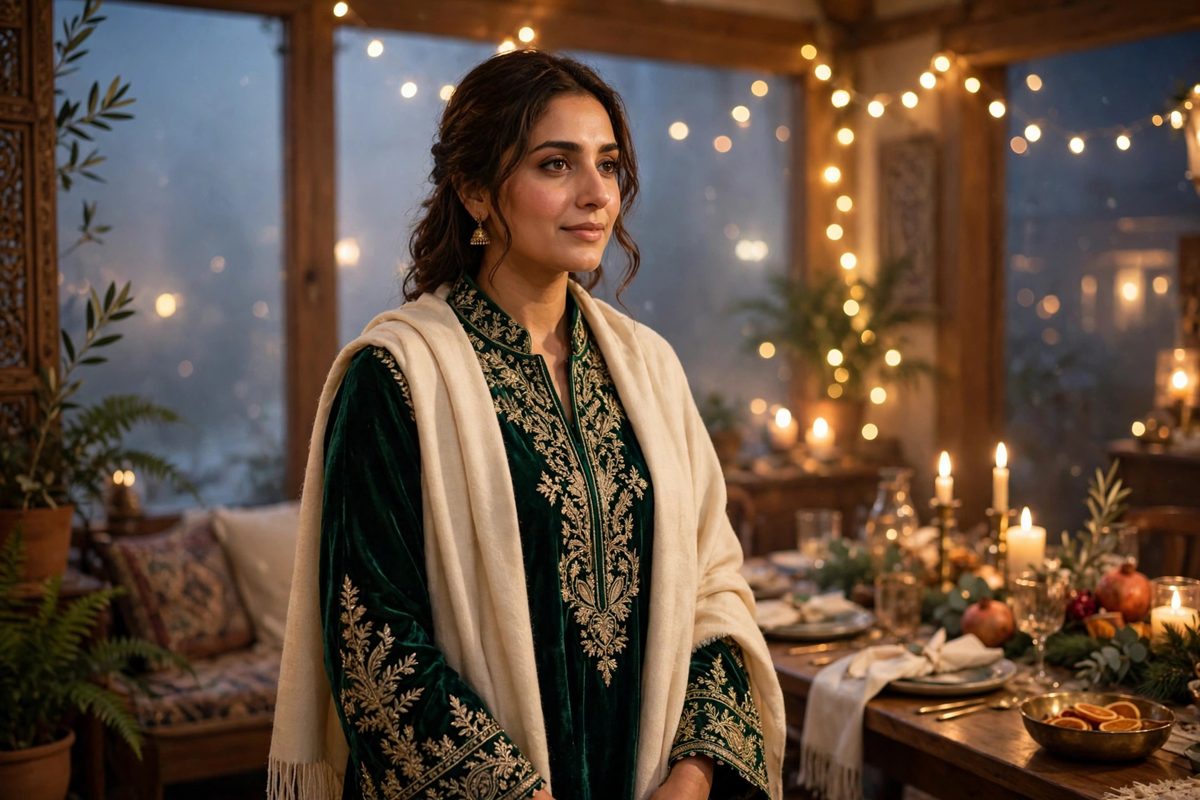
Winter in Pakistan is not just wedding season — it is party season. Between December and February, the calendar fills up with family dinners, dholkis, qawwali nights and long daawats at a relative’s house. And every one of them comes with the same question: what do I wear?
A winter party outfit has a tricky job: it must look festive, keep you warm through a foggy evening, and still feel comfortable after three hours of sitting, eating and chatting. A thin summer chiffon will leave you shivering, while a heavy bridal-style velvet can feel overdressed at a simple family dinner. The key idea is simple: build your outfit in layers, with a beautiful base and a shawl or coat that is part of the look, not an afterthought.
Fabric is the first decision, and it decides everything else — warmth, drape, price and how formal the outfit looks.
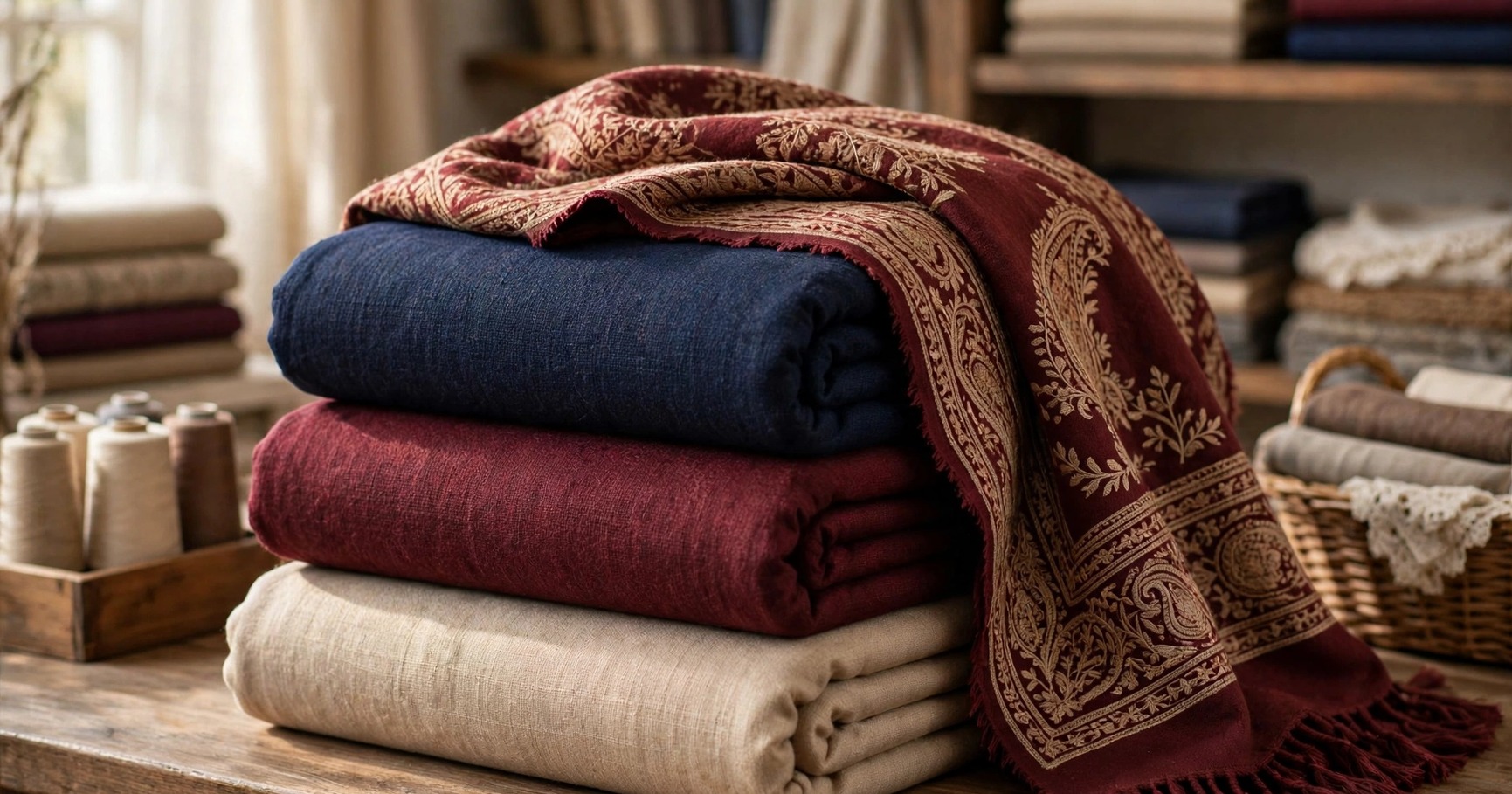
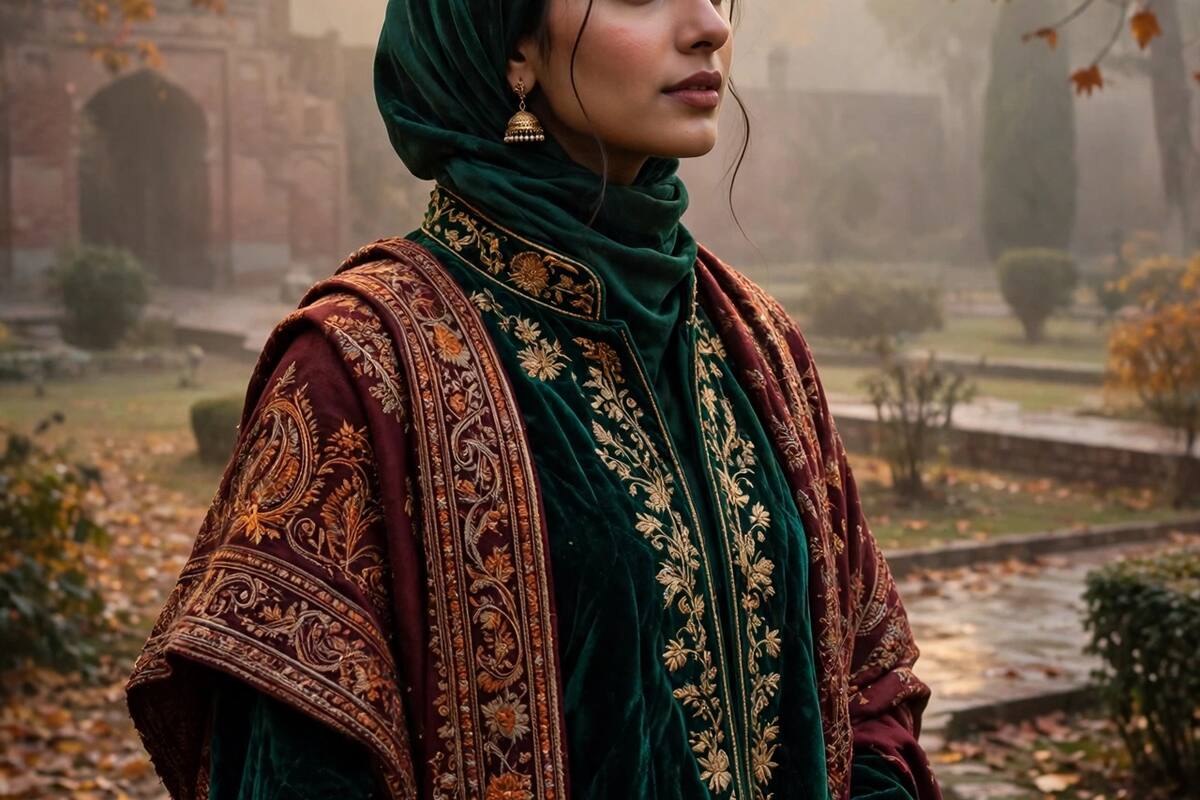
Velvet is the queen of winter party wear. It is warm, rich and instantly festive, and it suits every skin tone in deep jewel colours. A velvet shirt with straight trousers works for dinners, while a velvet frock or angrakha suits dholkis. Ready-made velvet kurtas generally fall in the Rs 3,000–8,000 range, while stitched velvet suits with embroidery can cost Rs 8,000–20,000 or more.
Raw silk and jamawar are perfect when you want structure and shine without the weight of velvet. A jamawar shirt with a plain silk trouser is a classic dinner look, and raw silk holds embroidery beautifully. These fabrics cost a little more than lawn or cambric, but a single well-chosen piece lasts for years.
Chiffon and georgette still work in winter — with a lining. A lined chiffon shirt over a warm inner, paired with a velvet or pashmina shawl, gives you the flow and lightness of chiffon without the cold. Pashmina and wool blends are not just for shawls: a pashmina-blend kurta or a wool-mix shawl-kameez is warm, soft and elegant, and the most comfortable option for long outdoor gatherings. Linen and karandi sit in the middle — breathable enough for a heated room, structured enough to look formal. A karandi shirt with a velvet dupatta is one of the easiest winter party formulas there is.
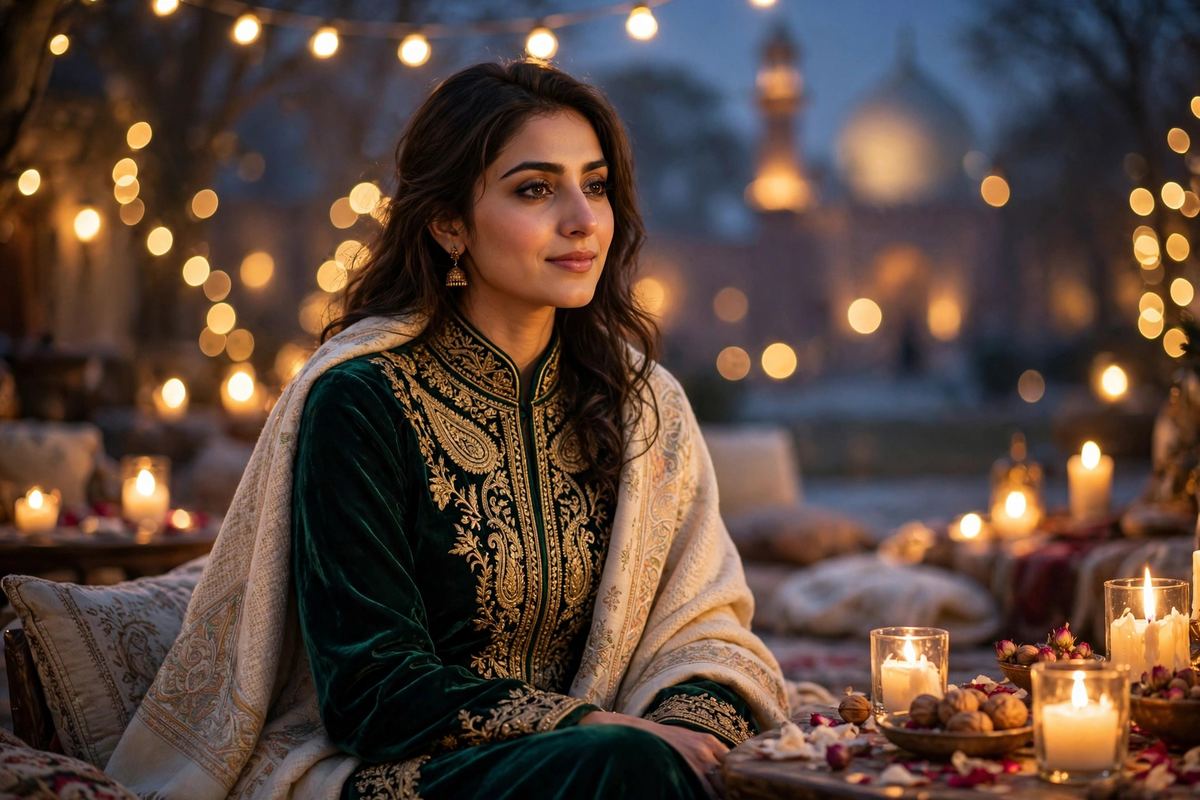
A dinner party is usually the most formal of the three occasions in this guide, especially at a restaurant or hotel. The aim is polished and elegant, without going bridal. The velvet shirt and straight trousers is the safest dinner formula — choose a deep colour — maroon, emerald, navy or plum — with light gold or silver embroidery on the neckline or sleeves. Add a plain silk dupatta or a light pashmina shawl, and finish with small jhumkas and a clutch.
For more ideas on styling velvet for evening events, see our guide to velvet dresses for winter weddings — many of the same colours and fabrics work just as well at a dinner party.
A dholki is the most joyful winter event — music, dancing and a room full of relatives. The outfit needs to be festive and photogenic, but also comfortable enough to clap and dance in.
Bright colours win at dholkis. While dinners favour deep jewel tones, a dholki is the place for hot pink, mustard yellow, bright orange, parrot green and turquoise. These colours photograph beautifully against the yellow and green dholki decor.
The gota shirt is the classic dholki choice. A brightly coloured shirt with gota work, paired with a lehenga, gharara or straight trousers, is festive without being heavy. A chiffon or organza dupatta with a gota border completes the look.
The short shirt with gharara is a favourite for younger women at dholkis — easy to move in, traditional and festive in almost any bright colour. Add colourful bangles and a small maang tikka for the full dholki feel.
A practical tip for dholkis: wear comfortable footwear. You will be on your feet far more than at a dinner, so choose embellished khussay or low block heels instead of stilettos.
Family gatherings — a daawat at an aunt’s house, a birthday dinner, a weekend get-together — are the most common winter parties, and the easiest to get wrong.
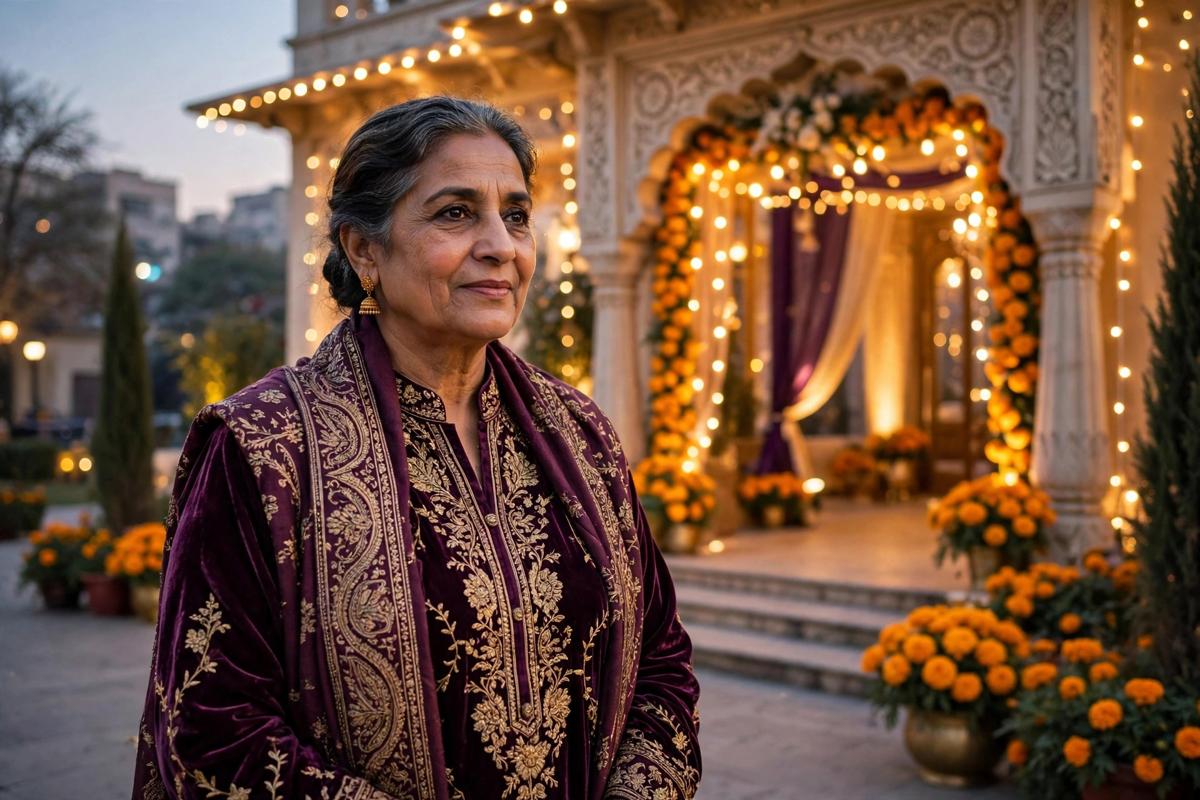
The embroidered kurta with a shawl is the perfect family-gathering formula. A well-cut kurta in karandi or light velvet, with embroidery on the neckline or daman, plus a beautiful shawl draped over the shoulders, looks polished without trying too hard. A good embroidered kurta can cost as little as Rs 2,000–5,000, and the shawl transforms it completely.
The long coat over a simple suit works beautifully for evening gatherings. A camel, black or maroon wool coat over a plain shalwar kameez is warm and stylish — and you can take the coat off indoors to reveal the suit underneath.
Colour is what makes a winter party outfit feel current. Maroon and deep red remain the most popular winter party colours in Pakistan — they suit every skin tone and look rich in velvet, raw silk and jamawar. Emerald green is the standout colour of winter 2026: deep, festive and slightly less common than maroon, so it photographs distinctively. Navy blue is elegant and slimming, and pairs beautifully with gold embroidery. Plum and deep purple are the quiet luxury choice — less common at parties, which makes them memorable. Mustard and burnt orange bring warmth to dholkis and daytime gatherings.
A simple rule: if the event is in the evening, go deeper and richer. If it is a daytime gathering, you can go brighter and lighter.
The outfit is only half the look. Let the shawl be part of the outfit — a beautiful shawl is not just for warmth, it is the finishing layer. Drape a pashmina or embroidered shawl over both shoulders for a formal look, or over one shoulder for a more relaxed feel, and choose a shawl that contrasts with your outfit rather than matching it exactly.
Keep jewellery in proportion. A heavy velvet outfit needs lighter jewellery, and a plain outfit can carry heavier pieces. For dinners, statement earrings or a delicate necklace are enough. For dholkis, go bolder — bangles, a tikka and colourful earrings all work together.
Choose the right bag. A small clutch or potli in a metallic or matching colour completes a party look. Avoid large handbags at dinners and dholkis — they spoil the silhouette and get in the way when you sit down to eat. For more finishing-touch ideas, see our guide to winter accessories for Pakistani women.
Plan for the cold between venues. The walk from the car to the hall, the wait outside, the outdoor photos — a coat or shawl you actually like wearing is essential. If you hate your coat, you will leave it in the car and spend the evening cold.
You do not need a big budget to look beautiful at a winter party. Restyle what you own — a velvet dupatta over a plain suit, a new shawl with last year’s kurta, or a different trouser with a favourite shirt can create a completely new outfit for almost no cost. Buy one statement piece instead of a full new suit — an embroidered shawl, a velvet shirt, or a pair of embellished khussay — and build the outfit around it. Rent or borrow for one-off events: renting a heavily embroidered outfit or borrowing from a sister or friend is a sensible, common choice. Shop the sales — winter party fabrics go on sale in late January and February, the perfect time to buy next year’s velvet or jamawar at a much lower price. And focus on fit: a well-fitted simple outfit always looks better than an expensive ill-fitting one.
A realistic budget for a complete winter party look — a ready-made shirt and trouser, a shawl and simple jewellery — is roughly Rs 5,000–12,000, depending on the fabric and brand.
Do not wear a summer fabric without a plan — a thin chiffon or lawn outfit with no lining, no shawl and no coat will leave you cold all evening. Do not overdress for a casual gathering — a heavily embroidered bridal-style outfit at a simple family dinner will feel out of place. Do not wear brand-new, unworn heels — break in your shoes at home first, or choose block heels and khussay. And do not match everything exactly — contrast is what makes an outfit interesting.
If you are also attending winter weddings this season, our guide to winter wedding guest outfits covers the slightly more formal side of the same wardrobe.
What should I wear to a winter dinner party in Pakistan?
A velvet or raw silk shirt with straight trousers is the safest choice — warm, elegant and appropriate for almost any dinner. Add a pashmina shawl and simple jewellery, and choose a deep colour like maroon, emerald or navy.
What colours are best for a dholki in winter?
Bright colours work best at dholkis — hot pink, mustard, orange, green and turquoise. They suit the festive mood and photograph beautifully against dholki decor.
How can I look stylish at a winter party on a small budget?
Restyle what you already own — a new velvet dupatta or embroidered shawl can transform a plain suit. Buy one statement piece instead of a full outfit, and focus on good fit and stitching rather than expensive fabric.
Winter party wear in Pakistan is really about balance — festive but not bridal, warm but not bulky, stylish but comfortable enough to enjoy the evening. Start with a good fabric, choose a colour that suits you, add one beautiful shawl, and keep the jewellery and accessories in proportion.
The best winter party outfit is not the most expensive one. It is the one you feel confident and comfortable in — the one that lets you enjoy the food, the music and the company instead of thinking about the cold. Pick your look, plan your warm layer, and enjoy the season.