Physical Address
304 North Cardinal St.
Dorchester Center, MA 02124
Physical Address
304 North Cardinal St.
Dorchester Center, MA 02124

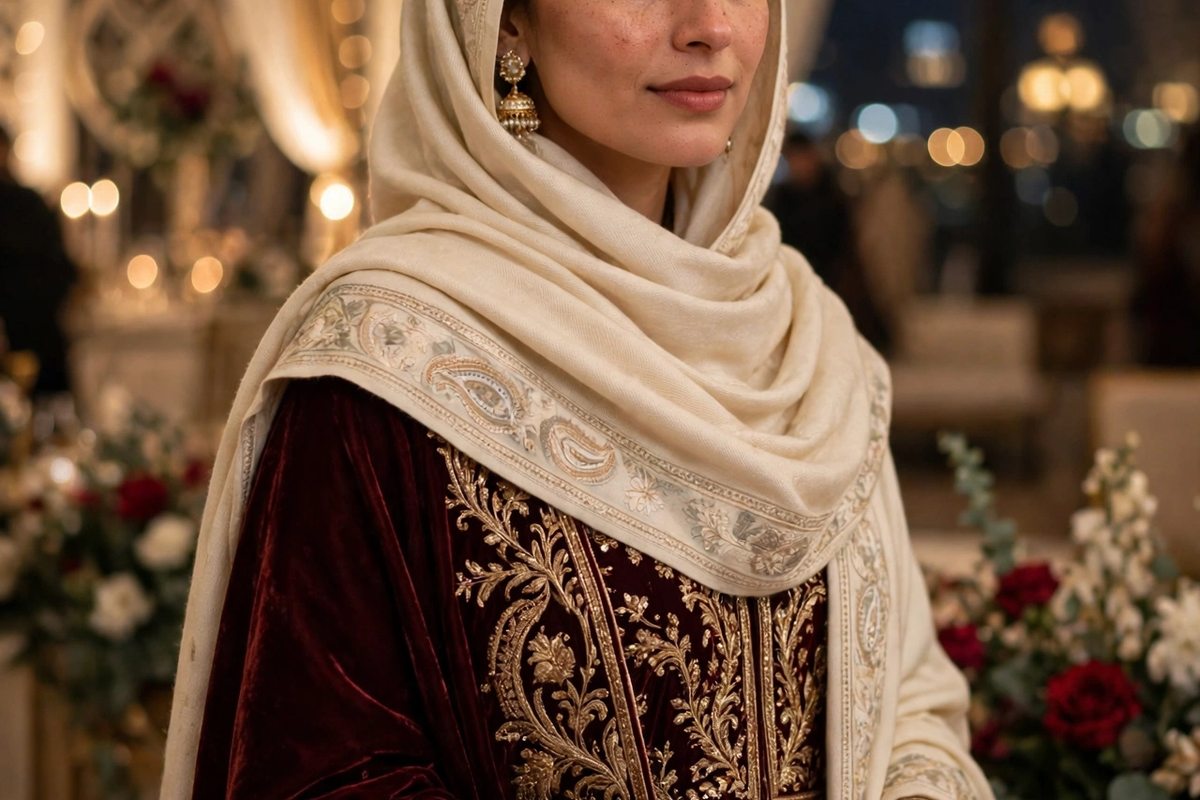
The barat is the biggest night of a Pakistani wedding — the lights are brighter, the hall is packed, and every camera seems pointed at you. Add a cold December evening in Lahore, Islamabad or Karachi, and the outfit question gets harder: how do you look grand enough for the barat without shivering in a thin chiffon lehenga?
The good news is that winter is actually the best season to dress up for a barat. Velvet, raw silk, jamawar and heavy embroidery all look richer in winter light, and a well-chosen shawl can be the most beautiful part of your outfit instead of an afterthought. This guide covers the best winter barat outfits for Pakistani women in 2026, plus the warmth tricks, colours and budget ideas that make the night comfortable too.
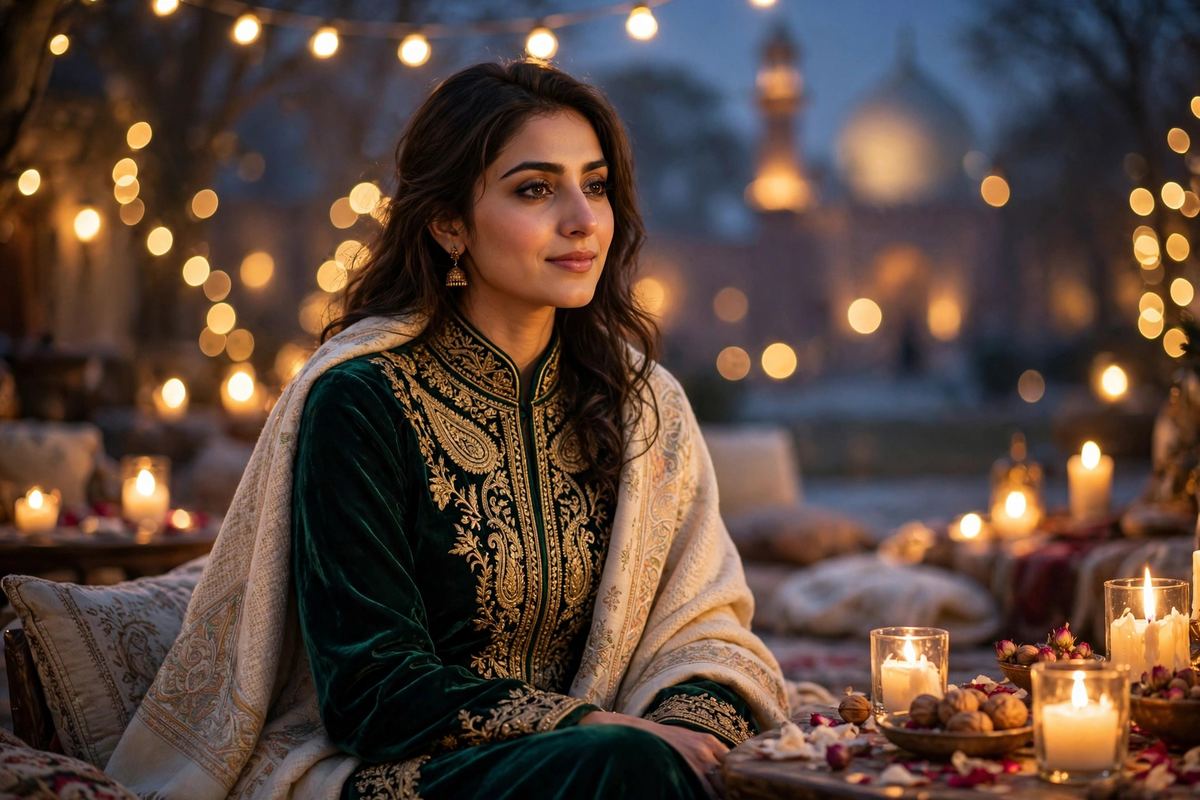
If you want one outfit that is almost impossible to get wrong at a winter barat, it is a velvet lehenga. Velvet is warm, it photographs beautifully under hall lights, and it carries heavy embroidery without looking stiff.
A full velvet lehenga with a matching blouse and an embroidered dupatta usually falls in the Rs 15,000–40,000 range at mid-range boutiques. For more velvet inspiration, see our guide to velvet dresses for winter weddings.
The gharara never really leaves Pakistani wedding fashion, and winter is its best season. The wide, flared legs in velvet or jamawar look grand when you walk in, and the long kameez or short kurti on top keeps you warm.
A gharara works beautifully with a pashmina or embroidered shawl over one shoulder, and it hides warm leggings underneath completely — the easiest warmth trick for an outdoor barat.
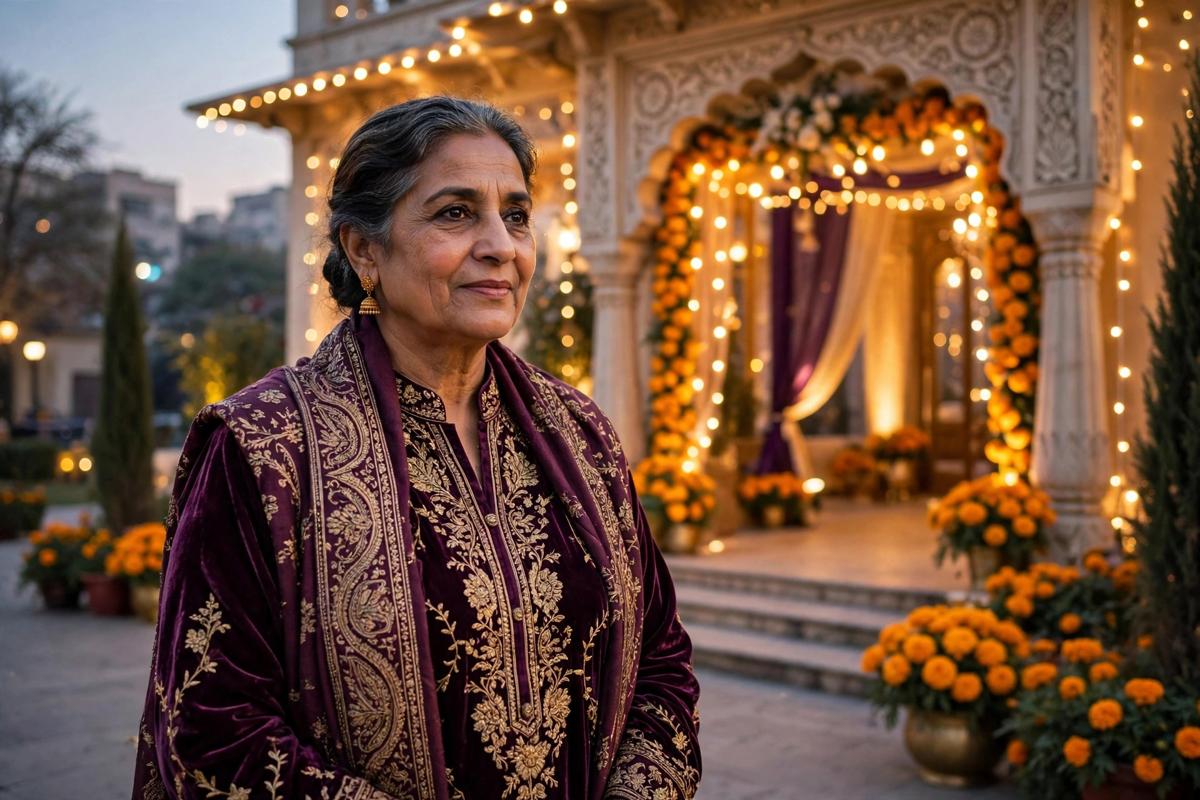
Not everyone wants a lehenga, and a long formal shirt or anarkali can look just as grand at a barat — especially for mothers, aunts and older guests who prefer a more covered silhouette.
If you are choosing between a lehenga and a long shirt, remember the venue. A long shirt is easier to manage at a crowded hall with stairs and a stage, while a lehenga photographs better outdoors. And a long shirt from the barat can be restyled for the valima with a different dupatta — see our winter valima outfits guide for ideas.
Winter barat colours are all about depth. Pale pastels wash out under evening lights, while jewel tones glow. Here are the colours that work best in 2026:
One colour to be careful with: bright red. It is the bride’s colour at most barats, so unless you are the bride, choose maroon, wine or rust instead. If you are the bride herself, our winter bridal outfits guide covers velvet lehengas, shawls and jewel tones in detail.
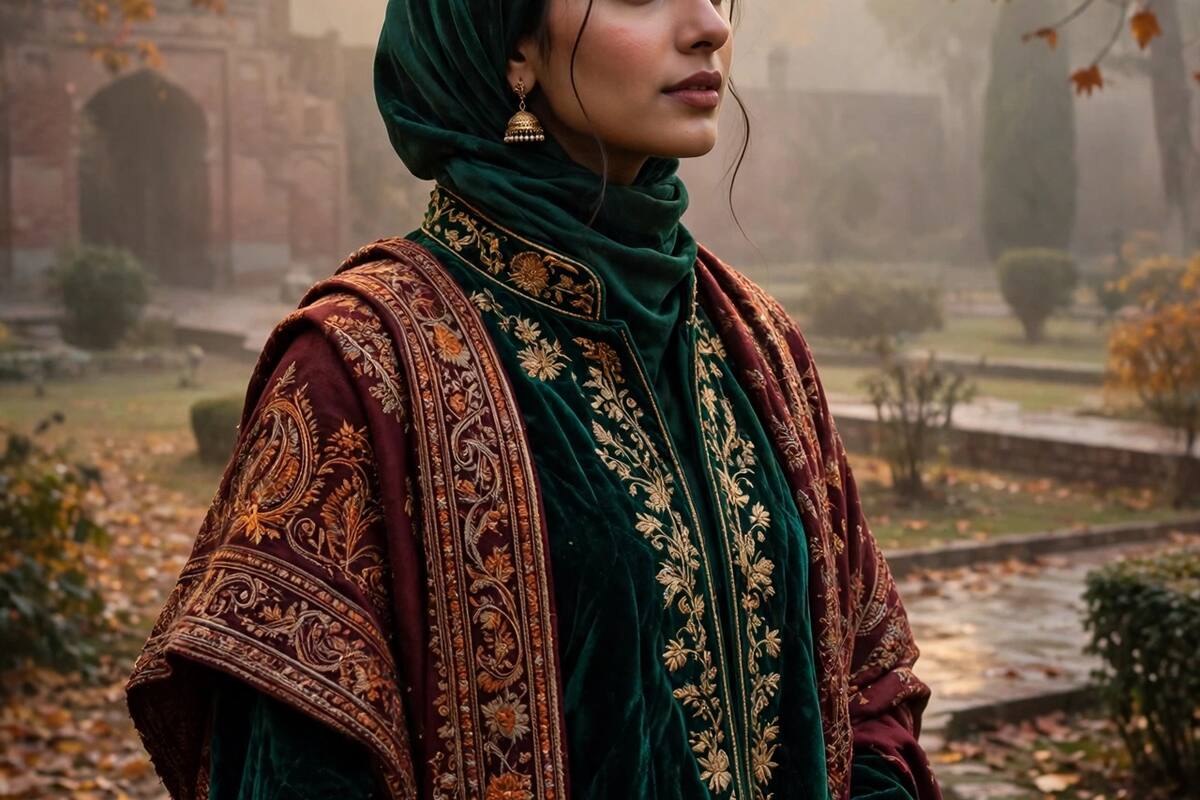
The difference between looking cold and looking styled at a winter barat is almost always the layer — choose one that looks like part of the outfit, not something you grabbed at the door.
A barat look is finished by the details. Heavy embroidery calls for jewellery that can hold its own — but if the outfit is heavily worked, keep the jewellery slightly simpler, and vice versa.
If you are doing your own makeup, do a trial a few days before the barat — winter air dries the skin, so moisturise well and use a hydrating base. For a full breakdown of makeup and hairstyles that last all night, see our winter wedding makeup and hairstyles guide.
Your role at the barat changes what you should wear — the bride’s mother and the groom’s sister have very different jobs on the night.
Whatever your role, try the full outfit — shoes, shawl, jewellery and all — at home a week before the barat.
A barat outfit does not have to cost a fortune to look expensive. Most of the grandeur comes from fabric, colour and fit — not the price tag.
And a few mistakes to avoid: do not wear chiffon or organza with no layer, do not choose white or very pale colours, and do not skip the shawl — even a warm hall gets cold by midnight. Do not over-accessorise — pick two statement pieces and keep the rest simple. And never leave the trial to the last day: the tailor, the fitting and the makeup all need a rehearsal, not a rush on the morning of the barat.
What is the best colour to wear to a winter barat in Pakistan? Maroon, emerald green, navy blue and wine — they look rich in winter light, photograph beautifully, and suit almost every skin tone. Avoid white and pale pastels, and leave bright red for the bride.
Can I wear a velvet lehenga to a barat? Yes — a velvet lehenga is one of the best winter barat outfits. It is warm, holds embroidery beautifully, and looks grand under hall lights. Pair it with a contrasting dupatta and an embroidered or pashmina shawl.
How do I stay warm at an outdoor winter barat? Wear warm leggings under your lehenga or gharara, choose velvet or jamawar fabrics, and carry an embroidered velvet or pashmina shawl. A long velvet jacket worn open over the outfit is the warmest stylish option.
What should the mother of the bride wear to a winter barat? A formal velvet or jamawar long shirt with a heavy dupatta and gold jewellery, in maroon, gold or deep green. Comfort matters — you will be on your feet and in photos all night.
How much does a good winter barat outfit cost in Pakistan? A ready-made velvet lehenga or gharara usually costs Rs 15,000–40,000 at mid-range boutiques; renting a designer-style outfit costs around Rs 8,000–20,000 for the night. Stitching your own from fabric is often the best value.
The winter barat is the one night where going grand is not just allowed — it is expected. Velvet, jewel tones, gold embroidery and a beautiful shawl are all on your side, and the cold weather is an excuse to wear the richest fabrics of the year. Pick a colour that flatters you, a silhouette you can move in, and a shawl that looks like it belongs to the outfit. Try everything on a week early and leave the bright red for the bride.