Physical Address
304 North Cardinal St.
Dorchester Center, MA 02124
Physical Address
304 North Cardinal St.
Dorchester Center, MA 02124

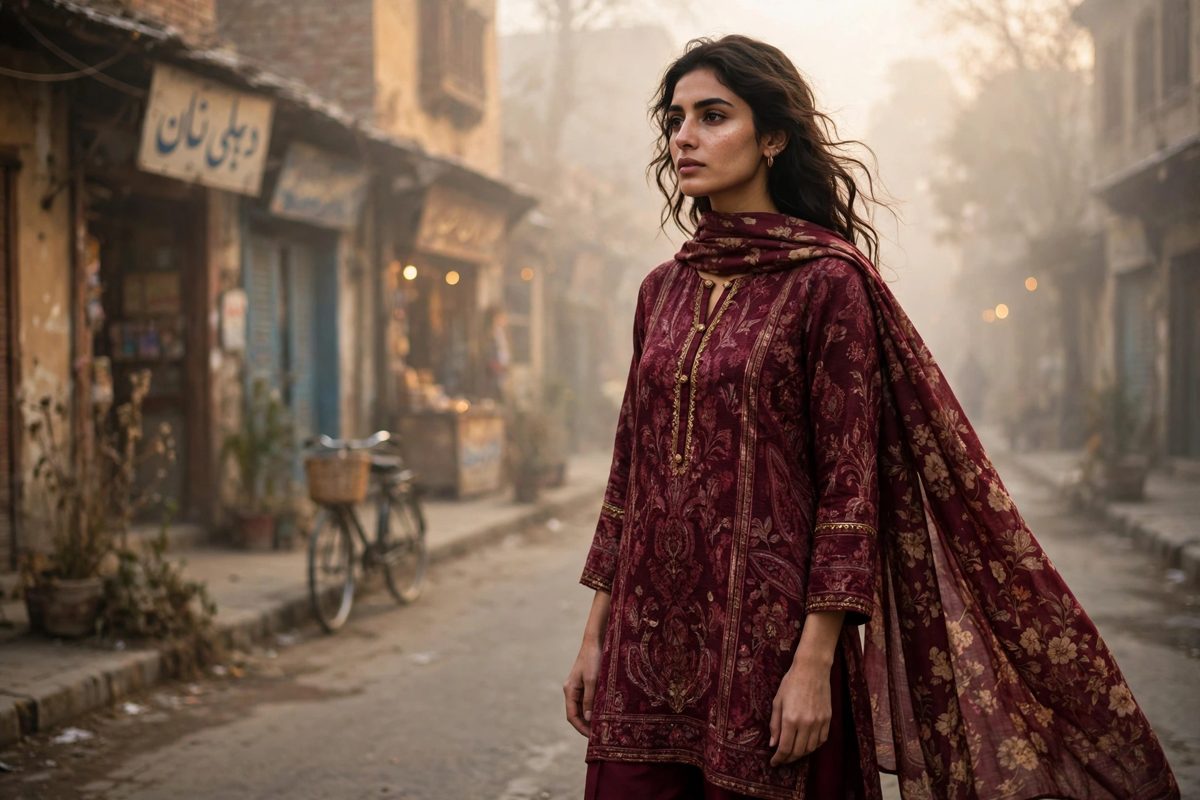
Every Pakistani winter has a fabric that quietly takes over every wardrobe, every bazaar and every family gathering — and in 2026, that fabric is still khaddar. Long before velvet became the wedding-season favourite, khaddar was the fabric our mothers and grandmothers reached for when the fog rolled in over Lahore and Islamabad.
There is a good reason for that loyalty. Khaddar is warm without being heavy, breathable enough for a sunny winter afternoon, and affordable enough that a full three-piece suit costs less than a single dinner out. It drapes beautifully, takes prints wonderfully, and gets softer and more comfortable with every wash.
This winter, khaddar is having a proper fashion moment — paired with embroidered shawls and long coats, and printed in everything from vintage florals to bold geometrics. This guide covers the prints to look for, the colours that work, styling for every occasion, and how to care for khaddar so your favourite suits last for years.
Khaddar is a handwoven cotton fabric with a slightly coarse, textured feel. Traditionally woven on handlooms, it is thicker and warmer than lawn, which makes it the natural choice for Pakistan’s winter months. The weave traps a thin layer of air, keeping you warm on a foggy December morning while still letting your skin breathe when the afternoon sun comes out.
What makes khaddar special is how practical it is. A khaddar suit does not need dry cleaning, it does not wrinkle as stubbornly as linen, and it holds its shape through a long day — whether that day is spent at the office, at a family dawat, or running errands in the bazaar.
The other reason is price. A good quality unstitched khaddar three-piece typically falls in the range of Rs 2,000–5,000, while ready-to-wear stitched options usually start around Rs 3,500–8,000 depending on the embroidery. That is exactly why khaddar remains the backbone of the Pakistani winter wardrobe.
Prints are where khaddar really shines this season. Here are the patterns Pakistani women are choosing most:
When choosing a print, keep the occasion in mind. Small, busy prints flatter most figures and hide wrinkles well, while large bold prints make a stronger statement but suit taller frames best.
One of the best things about khaddar is how versatile it is. The same fabric can look completely different depending on how you style it.
For daily wear, keep it simple: a straight-cut khaddar kurta with a matching shalwar and a light dupatta, plus flat khussay or sandals. A light wool shawl over your shoulders on a cold morning is all the layering you need.
For the office, pick khaddar in solid colours or subtle geometric prints — navy, charcoal, deep teal and plum all look professional and polished. A straight shirt with cigarette pants or a slim shalwar gives a neat silhouette, and a structured long coat on top completes the look.
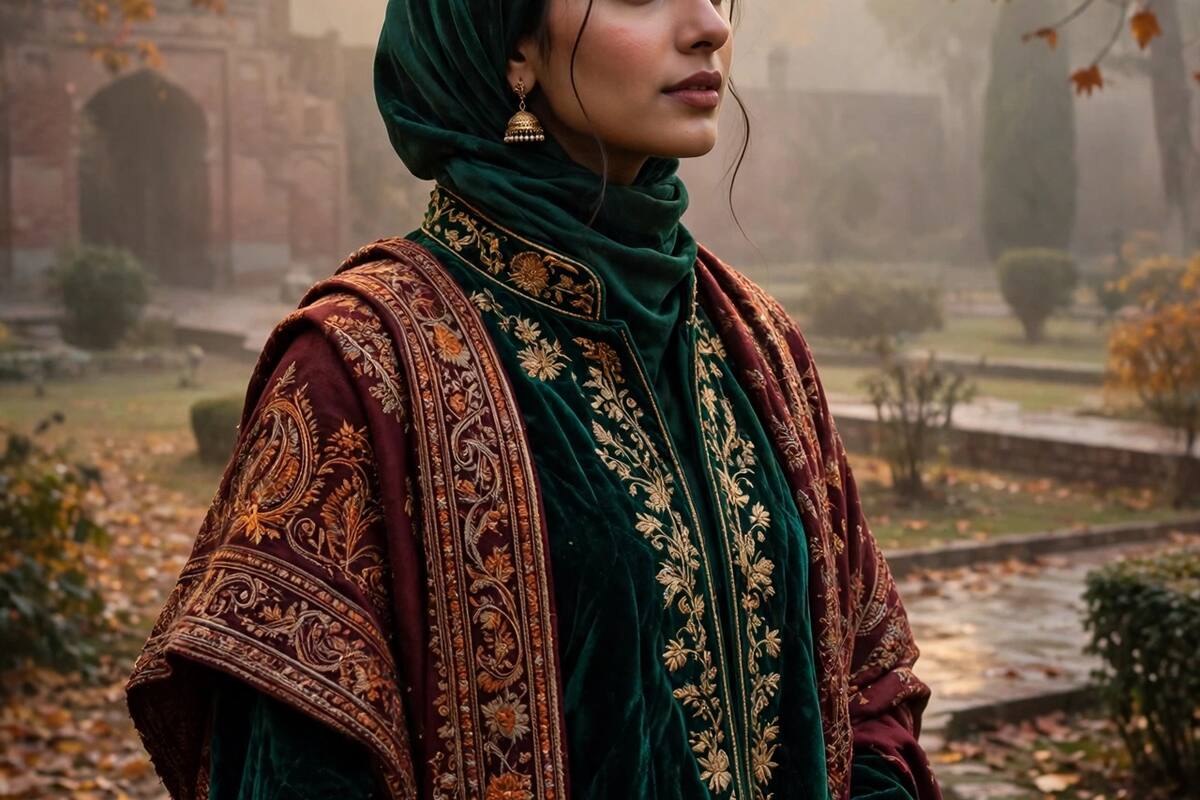
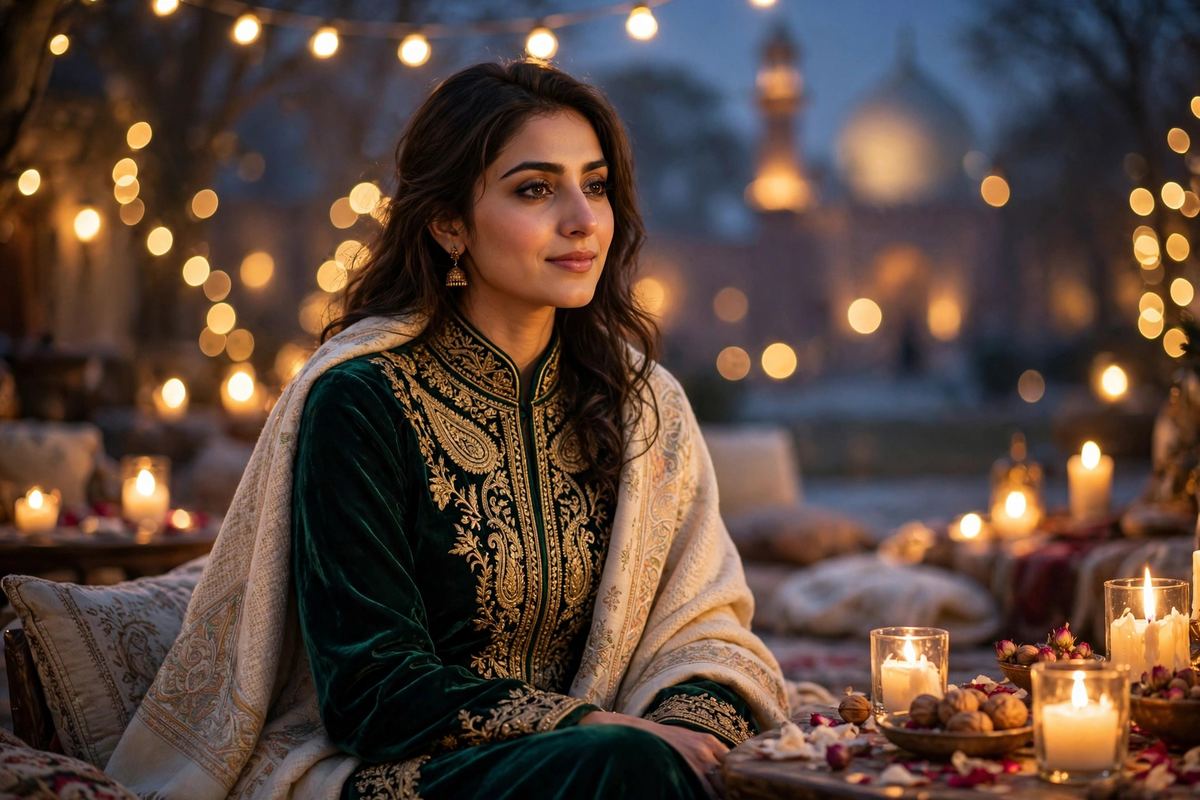
This is where khaddar surprises people. An embroidered khaddar suit in a jewel tone — maroon, emerald or navy — with a pashmina shawl and gold jewellery looks every bit as festive as velvet, but it is far more comfortable to sit in for hours. Add embroidered khussay or block heels, a small clutch and soft, warm-toned makeup.
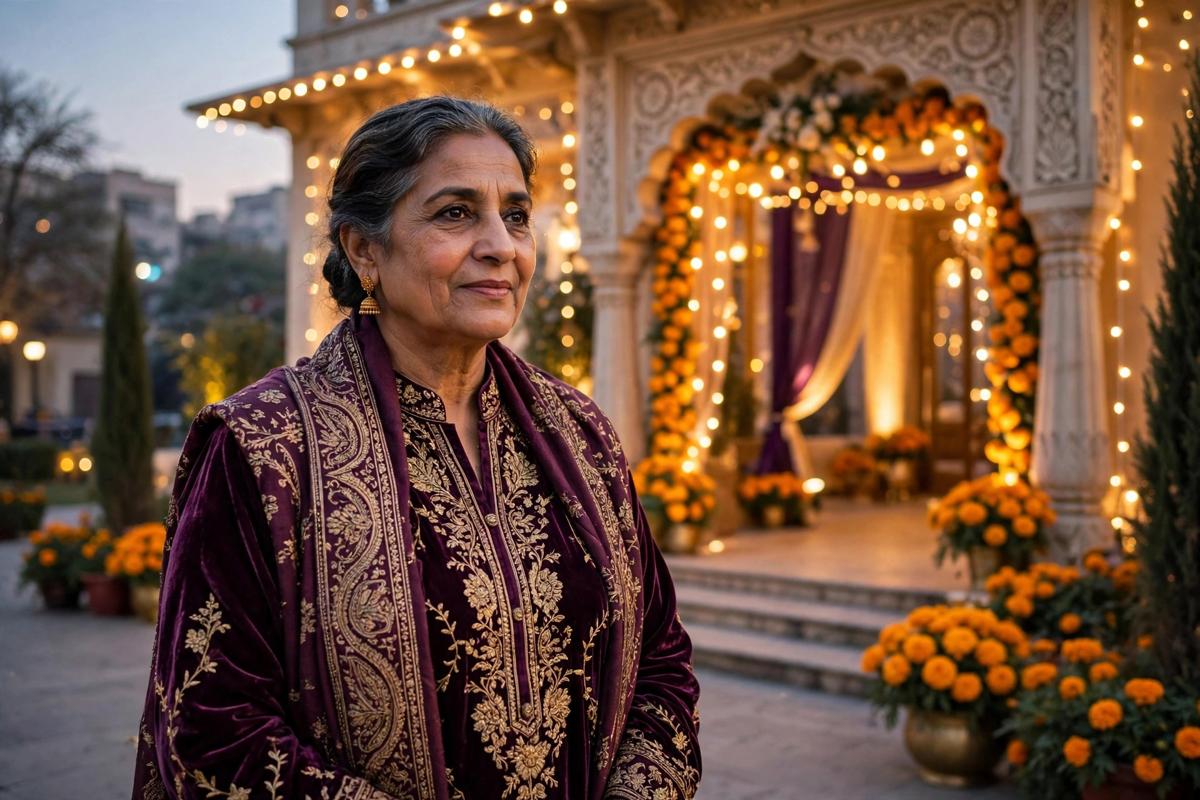
You do not need velvet or silk to look wedding-ready. A heavily embroidered khaddar suit with a zari or thread-work border, paired with a shawl and formal jewellery, works wonderfully for daytime events like a mayoun or a mehndi.
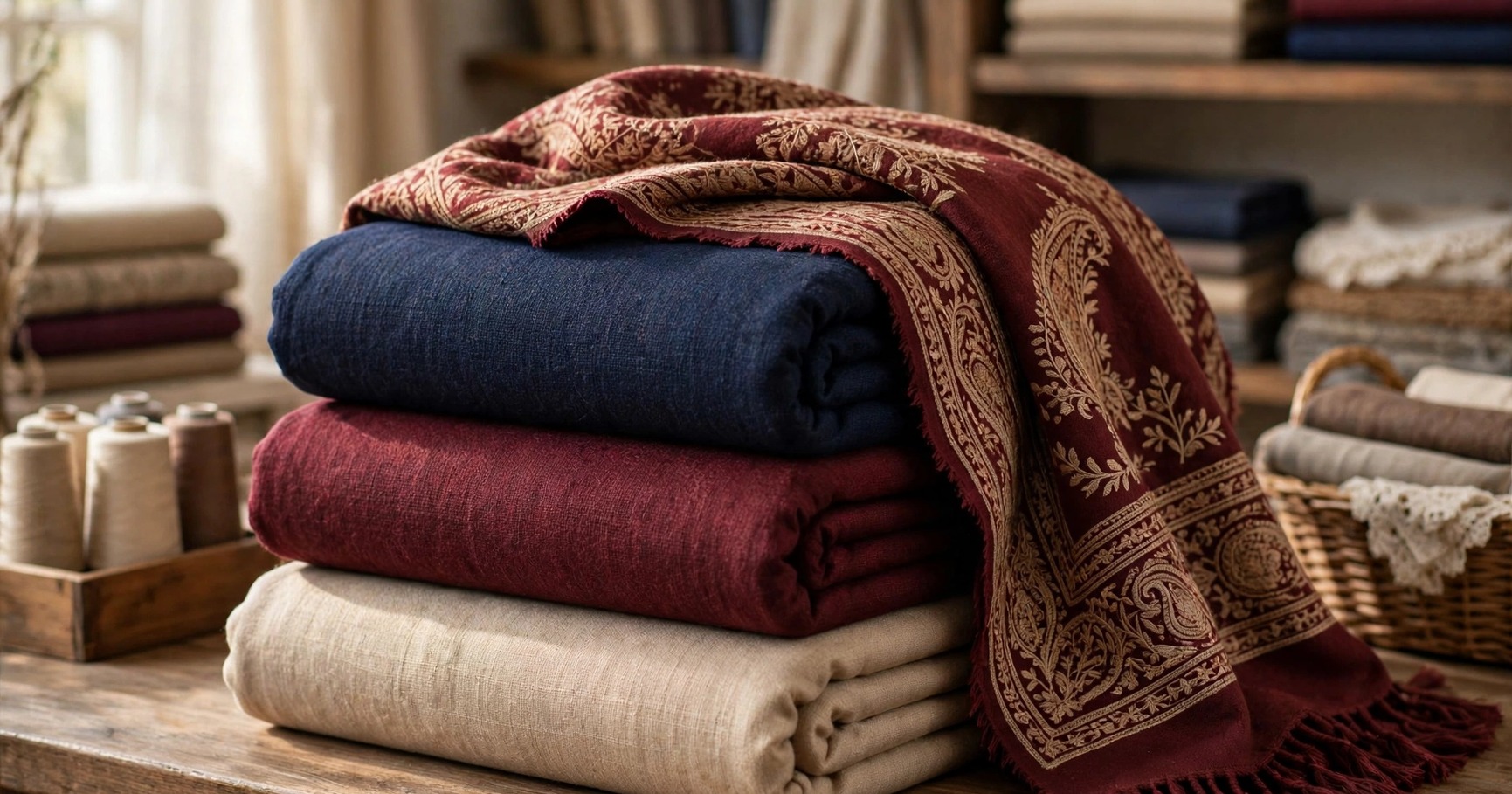
Colour is half the magic of a khaddar suit. This winter, the most flattering shades fall into three groups. Jewel tones — maroon, emerald green, navy blue and deep plum — are the richest winter colours, suit most Pakistani skin tones, and look expensive even in a simple print. Warm earth tones — rust, mustard, camel and olive — are the colours of a Pakistani winter: warm, grounded and endlessly easy to pair with shawls. Soft neutrals — cream, dusty pink, sage green and powder blue — are perfect for daytime events, and a neutral khaddar suit makes the best base for a bold, colourful shawl.
If you are buying one khaddar suit this winter, choose maroon or navy — both work for day and evening.
Khaddar is already warm, so layering it is about adding polish rather than piling on warmth:
It helps to know how khaddar compares with the other fabrics in your winter wardrobe. Linen is lighter and wrinkles more easily; khaddar is warmer and holds its shape better. Velvet is richer and more formal, but heavier, harder to maintain and usually more expensive — khaddar is the everyday fabric, velvet is the occasion fabric. Wool is the warmest of all, but it can feel itchy and needs careful washing; khaddar is gentler on the skin and much easier to care for. Cambric is a lighter cotton that suits early winter and indoor wear — when the fog sets in properly, khaddar’s thicker weave wins.
Khaddar is a hardy fabric, but a little care goes a long way. Wash in cold water — hot water can shrink khaddar and fade dark colours. Wash dark colours separately, since deep maroons, navies and blacks can bleed in the first few washes; a spoonful of salt in the first wash helps set the dye. Dry in the shade, because direct sunlight fades prints over time, and turn dark suits inside out before hanging them. Iron on medium heat — khaddar presses beautifully, and a light steam brings back its softness. Store folded rather than hanging for long periods, and keep dried neem leaves or mothballs in the cupboard during the off-season.
You do not need a big budget to build a beautiful khaddar wardrobe. Unstitched three-piece khaddar suits usually range from Rs 2,000–5,000, with embroidered options at the higher end. Stitched ready-to-wear khaddar kurtas typically start around Rs 3,500–8,000. A good pashmina or embroidered shawl to pair with your suits generally costs Rs 1,500–4,000, and stitching charges for a simple kurta and shalwar usually fall between Rs 1,000–2,500 at a local tailor.
A smart starter wardrobe is three suits — one jewel tone, one earth tone, one soft neutral — plus one shawl and one coat shared across all three. If you are shopping on a tighter budget, our guide to winter suits under Rs 3,000 has more money-saving ideas.
Yes. Khaddar is one of the warmest everyday cotton fabrics, and it handles the cold, foggy mornings of Lahore and Islamabad well, especially with a shawl or a coat. On the coldest days, add a thermal layer underneath or a sweater over your kurta.
Khaddar can shrink slightly in the first wash, usually around 2–3%. Washing in cold water and avoiding the dryer keeps shrinking to a minimum. If you are getting a suit stitched, ask your tailor to pre-wash the fabric or leave a small margin in the stitching.
Absolutely. An embroidered khaddar suit in a jewel tone, styled with a shawl and formal jewellery, is perfectly appropriate for daytime wedding events and family functions. For a formal evening baraat or walima, most women still prefer velvet or silk, but khaddar is a beautiful and comfortable choice for mayoun, mehndi and daytime gatherings.
Khaddar has survived every fashion cycle in Pakistan for a reason. It is warm, affordable, beautiful and endlessly versatile — the fabric that works for a school run in the morning and a family dinner in the evening. Start with one good suit in a colour you love, style it your way, and let the fabric do what it has always done: keep you warm and looking lovely all winter long. And if you are layering it with knitwear this season, our guide to styling winter sweaters and cardigans pairs perfectly with everything in this article.